

What is Glassine Paper? How It Is Made and Its Benefits
Waqas Khan Pitafi 2026-02-05 15:24:00
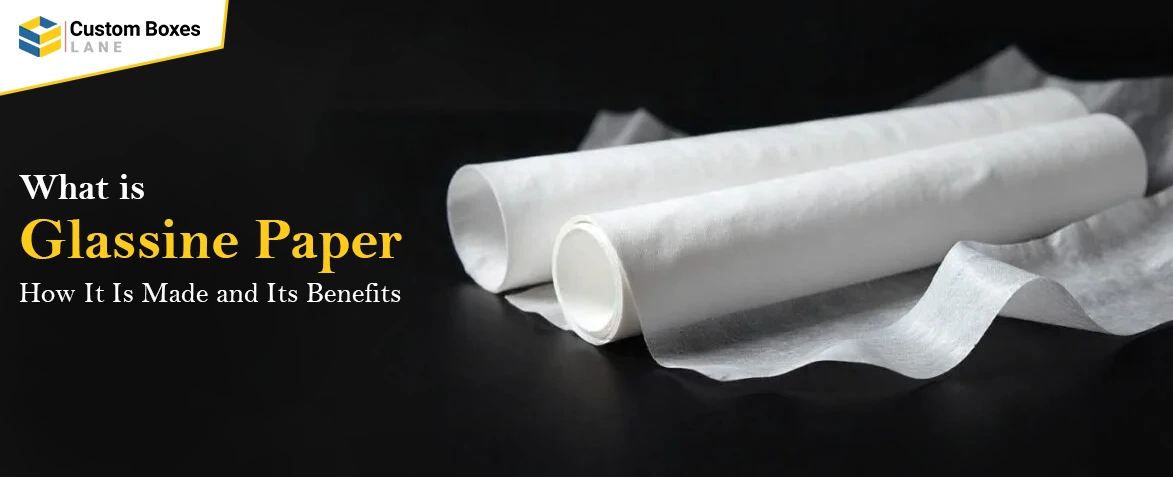
Table of Content
Glassine paper is one of the most reliable packaging materials becoming popular in the packaging industry. Such packaging material comes with various distinctive properties making it the first choice of various businesses. A see-through paper aligns with the sustainability as well as the elegant presentation goals of your brand.
In this blog, we will discuss in detail what glassine paper is, how it is made and what are its benefits. Read on!
What is Glassine Paper?
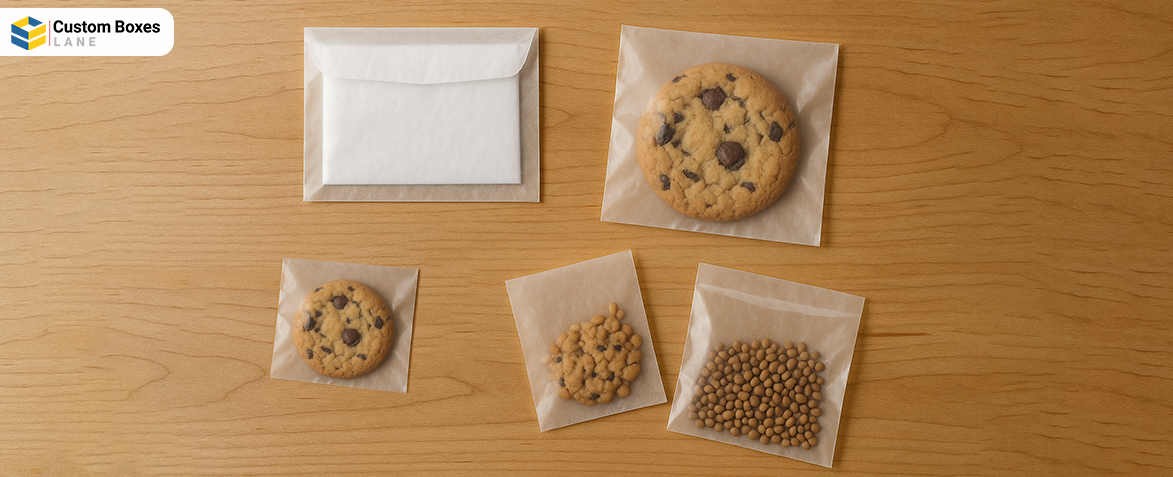
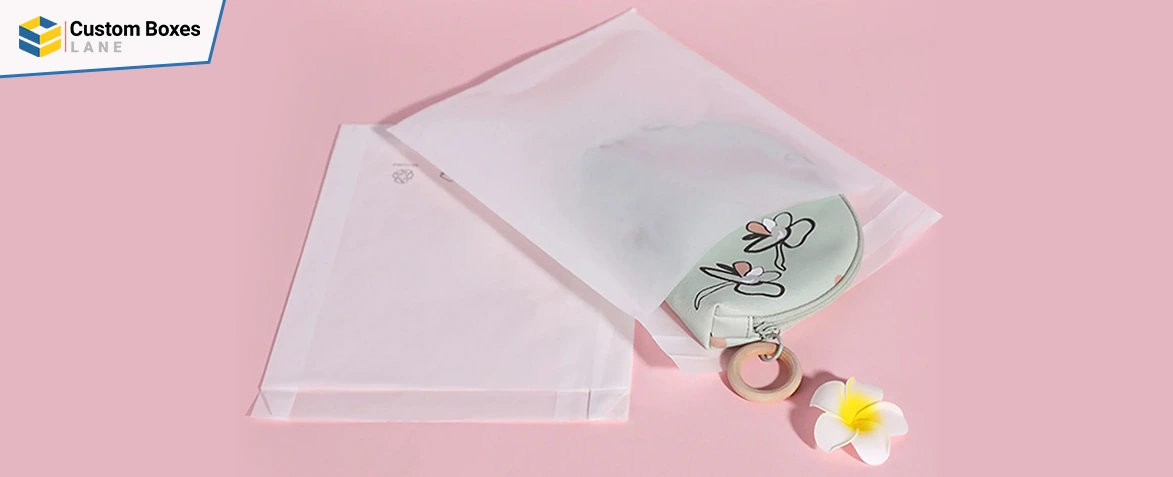
Glassine paper is a smooth translucent material that allows viewers to see through it. This type of paper is famous for its durable yet eco-friendly properties. Such paper is one of the most reliable alternatives to clear plastic and glass which are non-sustainable as well as expensive.
Some distinctive properties of these materials are that they are air, moisture, and grease-resistant. Such properties make this type of paper an excellent material for wrapping endless products. Various retail items can be packed in pouches that are made from glassine paper.
How is Glassine Paper Made?
Like other paper-based packaging materials such as kraft bags, corrugated boxes, etc. glassine paper is also made of wood. A comprehensive process of creating glassine paper is explained below:
-
Getting Raw Material
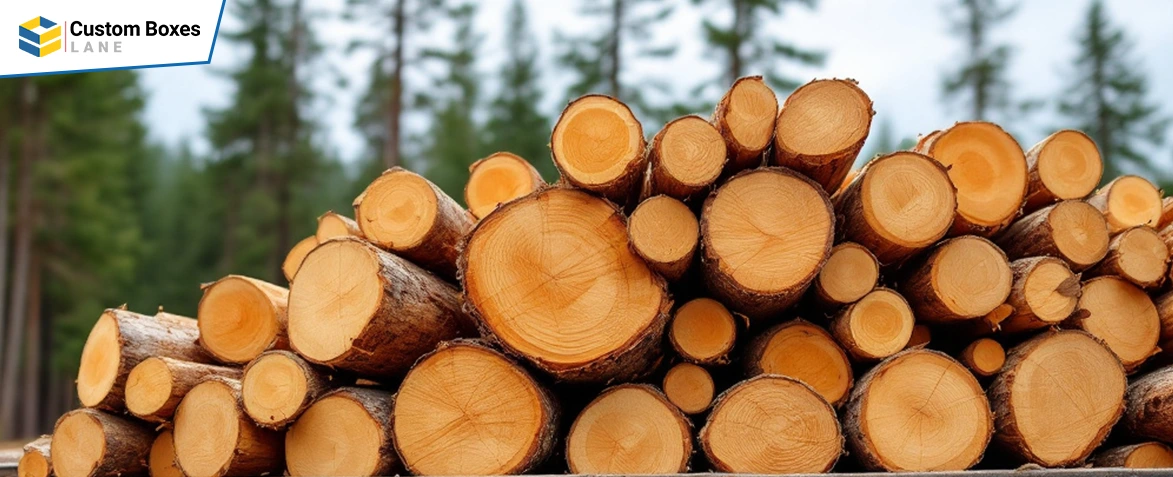
Hardwood is the raw material that is used to make glassine paper. This material can be extracted from various types of trees. The most recommended options include aspen, birch, and oak. Bebarked wood logs are transported to the manufacturing point. There, these logs are mechanically shredded.
-
Pulping Process
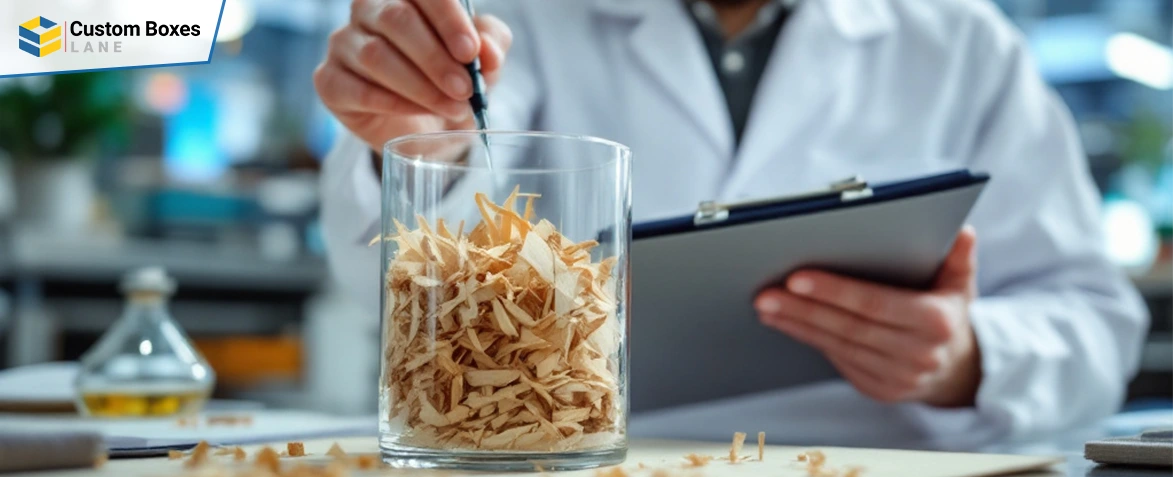
Shredded wood is chemically treated and converted to a pulp. This process is called pulping. To carry out this process efficiently, shredded wood is mixed with an ionic solution. This solution separates lignin (a chemical component of wood) from the pulp. Removing lignin reduces the brittleness of wood which makes it excellent for creating papers.
-
Bleaching & Dyeing
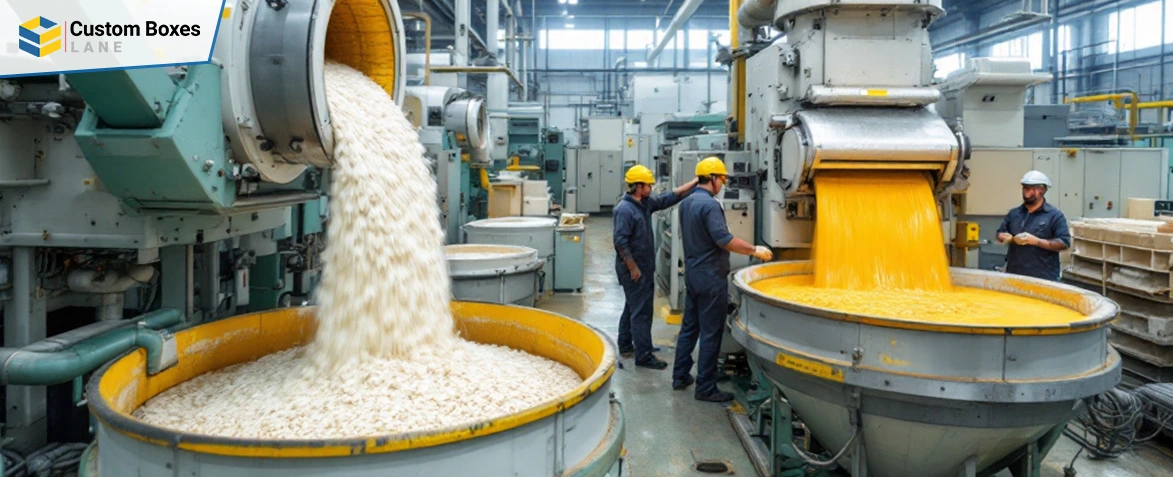
Once the pulping process is completed, unrequired colors are removed with the help of bleaching. Bleaching agents are added to the pulp that discolor the material and give you a white pulp that you can dye. Once the bleaching is over, the pulp is moved to the dyeing unit.
Whether you want to create white paper bags of glassine paper, or you want other colors like brown, black, etc. you can dye pulp accordingly.
-
Supercalendering of Glassine
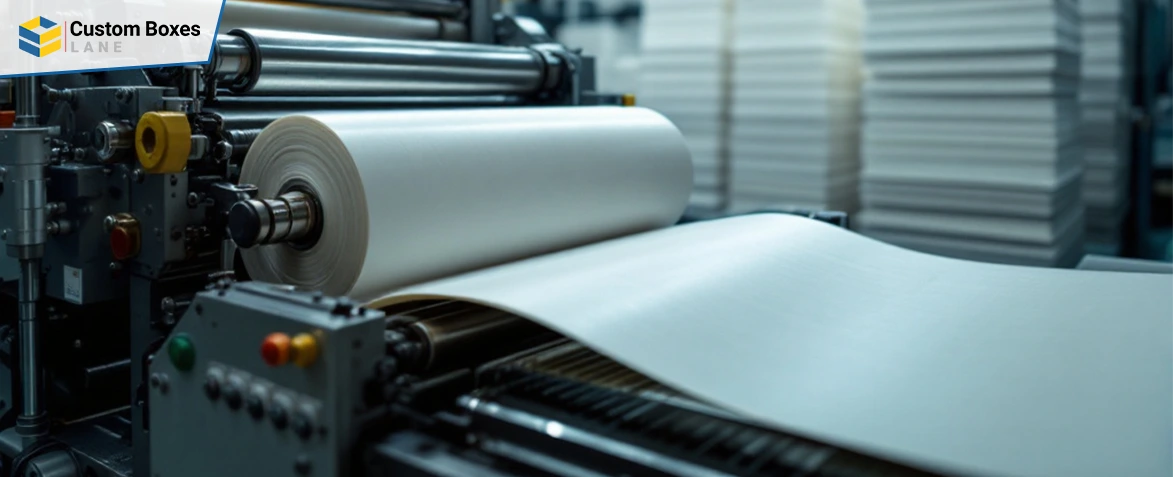
When it comes to making papers, calendaring is one of the most important steps. It uses rollers to apply pressure on the pulp to extract moisture, air, and other components from the material. That’s how papers are given the shape of sheets.
But when it comes to making glassine, supercalendering is done to make paper translucent. High pressure with heat rollers is repeatedly used to compress the material. This process not only gives the glassine a transparent look but also adds to the strength of the paper without damaging wood fibers.
Added chemicals can also be used to further make it translucent like calcium carbonate, titanium oxide, etc.
How Does Glassine Paper Differ From Other Papers?
Look at how glassine paper differs from some standard and specialty papers available in the market for product packaging:
Glassine VS Standard Paper
While glassine paper is a dense, smooth, and transparent material with grease-resistant properties for protective packaging, parchment paper is opaque, porous, and designed for writing and printing. Glassine's dense surface offers superior protection against moisture, grease, and air, making it ideal for wrapping food, art, and delicate items, whereas standard paper is better for cushioning or general wrapping.
Glassine VS Parchment Paper
Parchment paper differs primarily in its intended usage: parchment has been used for decades for writing manuscripts, documents, and legal texts before the widespread use of standard paper. While glassine is used for art, packaging, and food wrapping as a standard solution. Glassine is grease-resistant but not suitable for high-heat ovens, whereas the modern parchment is non-stick, oil-resistant, and ideal for high-temperature cooking
Glassine vs Vellum Paper
Glassine is a smooth, airmoisture-resistant, and greaseproof paper ideal for protective packaging and archival storage, while vellum is a more delicate, translucent, and slightly "toothy" paper commonly used in crafting and printing. Glassine is often used to wrap art or food, whereas vellum is chosen for invitations or overlays.
Glassine vs Wax Paper
This paper is coated with a thin layer of paraffin or soybean-based wax. The coating makes it nonstick and water-resistant, but not heat-resistant. Wax paper is often used for the presentation and storage of food. It is not safe to use in ovens because it can smoke, melt, or even ignite. As a result, wax paper is not considered for eco-packaging as glassine paper.
Benefits of Glassine Paper
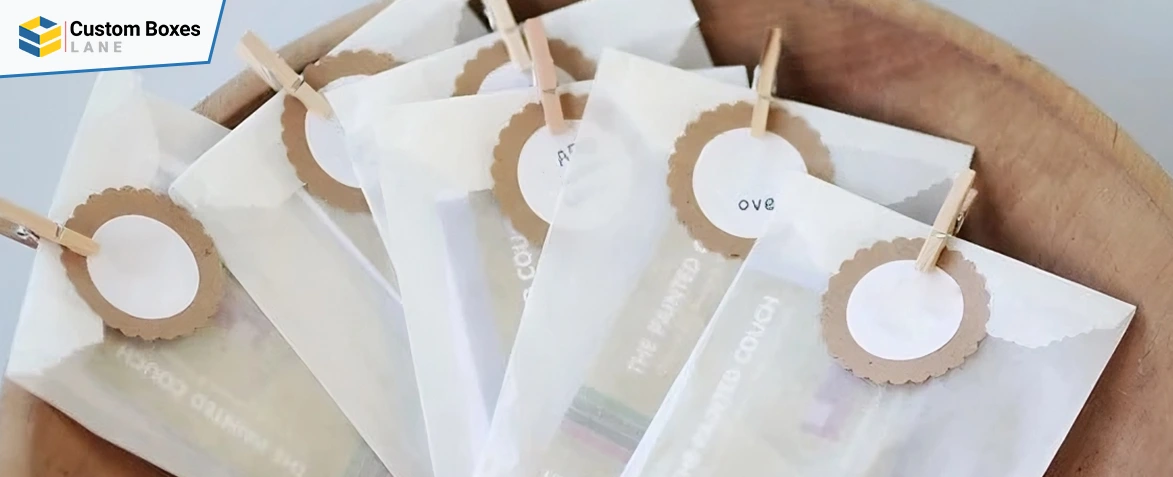
Glassine paper has earned significant popularity due to its undeniable benefits. This material is widely used in the packaging industry. The reason is that this material is a reliable as well as safe option for packaging in various industries. Here are some major benefits of these papers that can’t be overlooked:
-
Durable Packaging Material
Finding a durable packaging material is paramount for businesses. One of the most durable alternatives to plastic and delicate papers is Glassine. This type of paper is made with supercalendering and is famous for its high tensile strength.
Hard cellulose fibers in such packaging material make glassine paper a remarkable packaging material. Also, the air, grease, and moisture-resistant properties of such materials retain the pristine condition of items packed inside.
-
Applications in Various Industries
Glassine paper can be used to make packaging for a wide range of industries. In the food industry, you can use this paper to pack a wide range of products. Being food-grade materials, glassine paper makes a completely safe food packaging. Whether you want to pack candies, cookies, or other items in glassine bags, you can do without any hassle.
Apart from food items, various other retail products can be packed in glassine paper wraps. Such materials are also excellent to safeguard photo frames and such fragile items. Other items like stationery can also be packed in these wraps.
Is Glassine Eco-Friendly?
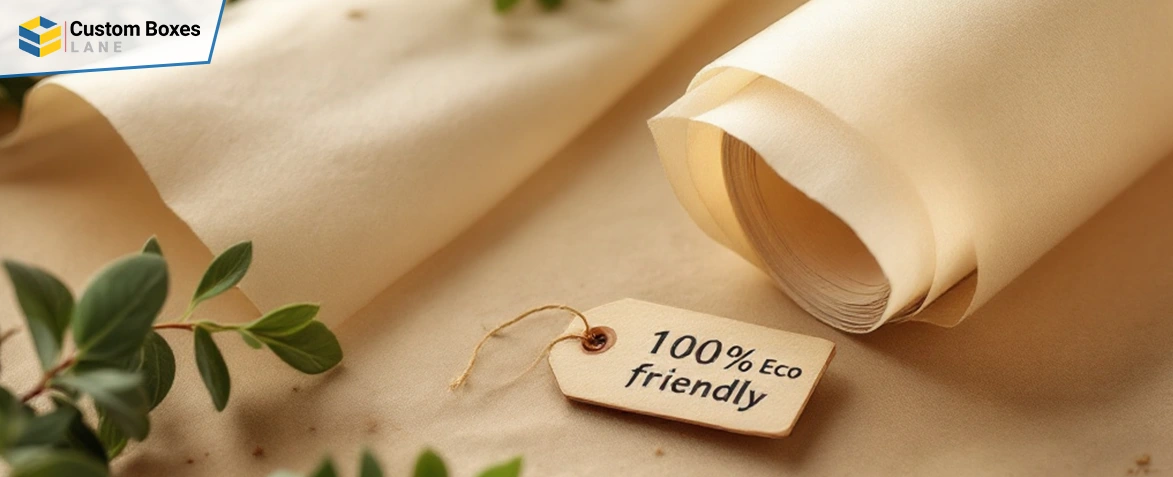
Customers prefer to buy products that are wrapped in eco-friendly packaging. The reason is that most buyers are aware of the harm caused by pollution and climate change. Glassine paper roll is a 100% eco-friendly packaging material.
Being a plant-based packaging material, it can decompose naturally leaving no carbon footprint. Also, such packaging material is famous for its compostable properties. When it comes to recyclability, glassine paper packaging is easy to recycle as compared to other materials. The reason is that unlike cardboard which comes in multiple layers of paper and coating, glassine has only one layer.
Where Can I Buy Glassine Paper?
Buying a reliable material for product packaging from a reliable source is essential to ensure the quality of the material. If you are looking for quality packaging made of exclusive glassine paper, approach an online vendor like Custom Boxes Lane.
You can partner with us if you are looking for quality material and custom services at the same time. One of the best things about partnering with us is that you can get 100% eco-friendly glassine packaging that impresses your eco-conscious buyers. Feel free to reach out to us today!
Final Words!
Glassine paper is one of the most durable and eco-friendly packaging materials you can pick for your product packaging. The above guide on what is glassine paper can help you make an informed decision about your packaging. If you still have questions or want to buy glassine paper packaging, contact us today!
No, glassine and parchment paper are different. While they both are smooth, translucent, and grease-resistant, they differ significantly in production and use.
Glassine paper is a smooth, translucent paper popular for eco-friendly packaging. However, its main disadvantages include poor ink absorption, leading to smearing, high production costs, and low water resistance.
Some of the best alternatives to glassine paper for protecting artwork and documents include acid-free tissue paper, archival-quality baking parchment, and polyester film (Mylar).
Glassine paper is made from 100% cellulose wood pulp, typically hardwood trees like aspen, oak, or birch, that undergoes extreme beating and is subsequently supercalendered to create a smooth, dense, and translucent sheet.