

A Comprehensive Guide on How Is Mango Packaged and Shipped!
Waqas Khan Pitafi 2026-03-06 11:54:00
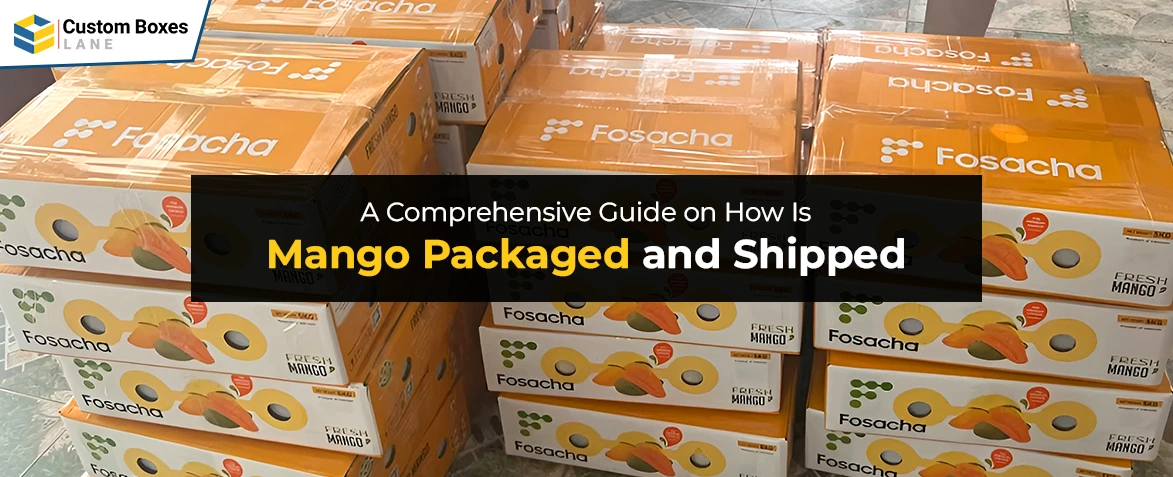
Table of Content
When people count their blessings, they count mangoes twice. The sweet and sometimes tangy flavor of the fruit is irresistible. And this is the reason farmers take great care when packing this rich fruit. Any disruption in the supply chain can cause drastic impacts on shipments and ultimately affect the sales of mangoes. Suppliers are moving toward automation to seamlessly deliver the mangoes to customers.
To win customers and boost sales, you must know the essential steps and important materials to ship these fruits safely. Read this guide to know how are mangoes packaged and delivered while being rich in aroma and fresh.
Why Packaging Mangoes is Important?
Mangoes, like most of the fruits, need sturdy packaging to ensure the fruit’s skin reach customers without any bruises or damage. This is why suppliers ensure a robust mango packing and shipping. You can get customized boxes for your mangoes to create and maintain a robust brand identity.
If you have been wondering how mangoes are delivered and where they are sent after packaging, this guide will help you. Whether you are sending mangoes to retail stores or directly to customers, knowing the right way to package them is essential.
Common Packaging Materials for Mango Packing
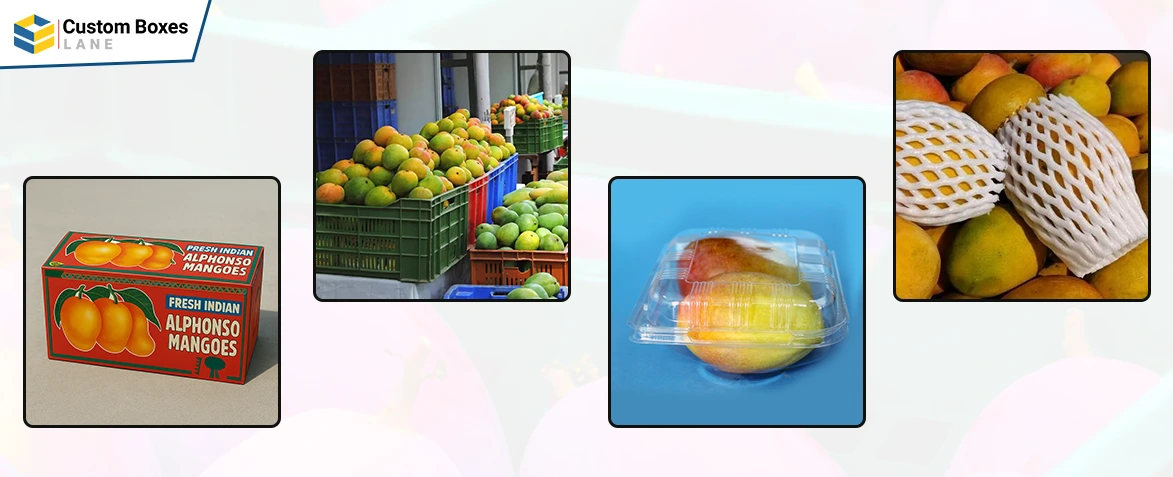
This section will help you in answering how is mango packaged and what materials are usually used. Mangoes are packed in different materials depending on the shipping distance and the origin. You can choose the material that suits your needs best. These needs can be the shipping distance, your budget, the number of mangoes, and the mode of transportation. Let’s have a look at a few materials:
-
Corrugated Cardboard
To ensure your mangoes remain safe from external factors such as debris and water to an optimum level, choose corrugated cardboard. You can look at the different flute types to see which ones suit your mangoes better. Using double-wall corrugated boxes will keep your mangoes safer during shipping and storage. Corrugated cardboard is also a lightweight and cost-effective material, and buying in bulk can help you save costs.
-
Plastic Crates
Using reusable plastic crates can keep the mangoes safe from a variety of factors, such as dust, water, and temperature. One of the best practices is to avoid stacking a lot of mangoes on top of each other. This practice ensures the mangoes stay away from bruises and do not lose their original taste. Decide the custom sizes for these crates alongside the thickness to ensure your mangoes are transported from the farm to the retail or customers’ doorstep safely.
-
Clamshells
When sending mangoes to retail stores, using clamshell boxes is a wise option. You can customize the sizes as per your brand’s needs. Ensure that the boxes keep the mangoes safe during storage at the retail stores. You can pack a few mangoes together in one box and add custom inserts to avoid any damage, even when they are displayed on the shelves. Always leave a little space within the boxes to make sure your mangoes get a little room for breathing.
-
Net Bags
Net bags are also used when shipping mangoes to retail stores. You can individually pack the mangoes in these net bags to ensure they remain safe. The secondary packaging of these mangoes can be a plastic tray with a thin plastic film to ensure they remain safe from external factors. Choose wooden or plastic crates if you desire, as a secondary packaging to enhance the appearance of your mango boxes when displayed on the shelves.
Inserts Used in Mango Packaging
It’s a wise practice to use packaging inserts inside the boxes when adding your mangoes. These inserts offer cushioning to the mangoes and resist crushing and puncturing, so customers can have fresh mangoes. Let’s have a look at two common packaging inserts you can choose for your mangoes:
-
Corrugated Cardboard
You can choose a thin lining of corrugated cardboard within the box to keep the mangoes safe. The corrugated flute will resist puncture and crushing, allowing the mangoes to reach their destination safely. Each mango is surrounded by the insert from four sides to ensure that it remains safe during shipping. Choose the thickness of the insert, keeping in mind the shipping distance and storage area.
-
Foam
Foam is also a great option to add inside the boxes or crates before shipping your mangoes. EVA foam is a very durable material that offers excellent cushioning and crush resistance. To give your customers a memorable unboxing experience, you can choose the EVA foam in different colors. Customize the thickness and size of the foam to ensure your mangoes remain unharmed during transit.
Modified Atmosphere Packaging for Mangoes
Modified Atmosphere Packaging is used when mangoes are shipped over long distances. This procedure is carried out to ensure the mangoes remain unripe and fresh during transit. This process alters the composition of gases added inside the packaging.
This alteration slows down the process of ripening, which allows customers to enjoy ripe mangoes. This Modified Atmosphere Packaging maintains the qualities of mangoes by reducing oxygen and increasing carbon dioxide levels.
Temperature Regulation During Transport
Temperature regulation is very important to ensure you are not wasting enough mangoes. The cold storage facility that carries mangoes must have an adequate temperature. The container carrying mangoes from the farm to the packaging warehouse and then to the retail or customer’s doorstep should be debris-free.
The ideal temperature of the unit varies as per the type of mango being transported. Ideally, it falls between 10°C to 13°C (50°F to 55°F). The loading temperature that is often recommended is approximately 12.2°C. You should monitor the temperature closely throughout the journey to ensure the mangoes remain fresh.
Edible Coatings to Preserve the Mangoes
Mango suppliers are discovering new tips and tricks to keep the mangoes fresh and safe from harmful pathogens and external factors. One such method is to go for edible coatings. The edible coatings are very similar to the plastic films. The only difference is that they are made from edible protein and/or polysaccharides.
This film is either used to replace plastic or formed directly on the skin of the fruit, making it edible for consumption. The edible film ensures the fruit’s freshness and helps extend the shelf life of the fruit. The edible film and coating can maintain the oxidation levels, oil loss or gain, aroma, and moisture level, thus improving the shelf life of mangoes.
Risk Factors & Prevention when Packing Mangoes
There are certain risk factors that one has to consider when packing mangoes before shipping them to the required destination. Taking precautions can help the mangoes stay fresh and reach customers on the shelves without any bruising. Here are a few factors you must keep in mind when packaging your mangoes:
-
Humidity
Mangoes require a particular temperature, humidity, and ventilation system in order to be fresh when reaching the desired destination. To prevent molding, rotting, and even spoilage, these mangoes should be kept from all types of humidity; water, condensations, rain droplets, etc.
-
Ventilation
The recommended ventilation conditions for mangoes are approximately 60 – 80 circulations/hour, with fresh circulation of air. This ventilation ensures that the container does not store heavy concentrations of carbon dioxide, ethylene, and other gases.
-
Contamination
The mangoes themselves won’t contaminate. However, the storage unit can cause damage to the mangoes during transit. Ensure that your storage unit is free from debris, dust, water droplets, fats, and oils. The container must be thoroughly cleaned before loading the mangoes.
-
Gaseous Control
Mangoes release carbon dioxide during respiration, and if this gas accumulates enough inside the storage unit, it can destroy the mangoes. Proper measures should be taken into consideration to control the emission of carbon dioxide.
How do you Pack Mangoes According to International Regulations? Step-by-Step Process
After harvesting, it is crucial to pack mangoes as finely as possible to preserve freshness, taste, and texture from within. Step-by-step process considering international packaging regulations:
- Washing & Inspecting: Firstly, firm and semi-ripe mangoes are chosen to prevent spoilage from overripe ones, then washed properly to get rid of dirt and latex.
- Pre-Cool: After this mangoes are placed in a cool place before packing to slow down the ripening process.
- Wrap Individually: Loosely wrap each mango in foam netting or wax paper to cushion it and absorb moisture.
- Sorting: Then the mangoes are arranged according to their sizes, weight, colors, and ripening degree.
- Sealing: Use strong, corrugated boxes and seal them securely with tape.
Label Clearly: Each boxes are mark with labels of mango kind, and where they are exported from with lines "Handle With Care," and "This Side Up" to ensure careful handling.
Get Custom Mango Boxes for Safe Deliveries
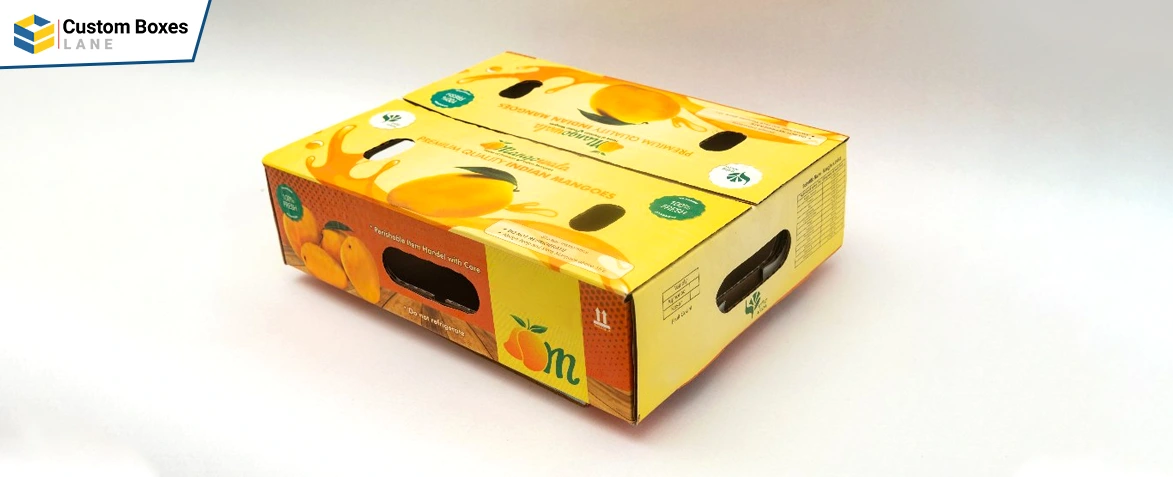
Mangoes are packaged and delivered with great care. Choose the perfect material and adequate environment for these mangoes to be transported. This way, you can ensure you sell maximum mangoes to your customers.
Whether you are delivering mangoes to the customers’ doorstep or to the retail stores, choosing high-end boxes is important. You can customize the boxes however you like to ensure your mangoes stay fresh when they reach their end destination. Contact us today, and we will provide you with durable and attractive mango boxes.
For exportation of mangoes, they are first packed in crates, then wrapped in foam and labeled for clear information. Boxes are filled with soft padding to protect the mango skin and flesh during transport.
As we know, mangoes can easily be crushed under weight, which is why corrugated crates with foam netting are used to keep the mango skin and flesh free from pressure.
Yes, mango with stone is usually packed in ventilated crates using foam padding to avoid internal bruising during rough handling.
Plastic crates are often preferred for hygiene and weight advantages, but wooden crates remain in use where cost and availability are factors. Both require proper sanitation.