

Paperboard Packaging Solutions: Cartons, Kraft & Folding Boxes Explained
Salman Shahid 2026-05-26 10:13:00
Table of Content
When it comes to packing your products, paperboard becomes a staple packaging solution. Its on-shelf visibility makes paperboard a knockout among other packaging solutions.
Since paperboard comes in many types, it's best to choose the one that suits your business needs. To navigate through it, this blog helps you explore the most common types in detail.
Read it to the end to decide which one out of paperboard cartons, kraft boxes, or folding cartons is a suitable choice for you.
An Overview of Paperboard Packaging
Before jumping right into types of paperboard, explore its fascinating history. If you think paperboard is a modern invention, it's really not. For the very first time, a local England-based firm called “M. Treverton & Son” invented it in 1817.
Their goal was to get sturdier packaging instead of conventional packages. For this purpose, they layered sheets of paper together to increase their thickness and strength, which they named “paperboard boxes.”
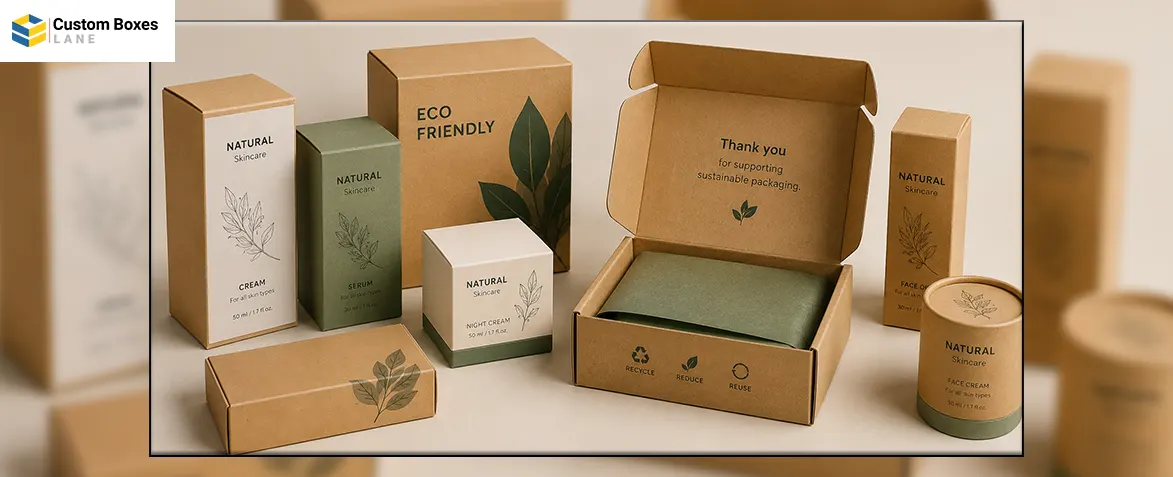
Coming to its introduction, paperboard is a thick, lightweight, and recyclable paper-based material. You can widely use it for retail folding cartons, sleeves, and inserts. Made from wood pulp or recycled fibers, it serves as a highly customizable, eco-friendly alternative to single-use plastics across several industries.
Paperboard thickness typically weighs over 220 g/m^2. It provides an excellent balance of durability and printability, making it the go-to choice for consumer goods.
Explore the Most Popular Types of Paperboard Packaging
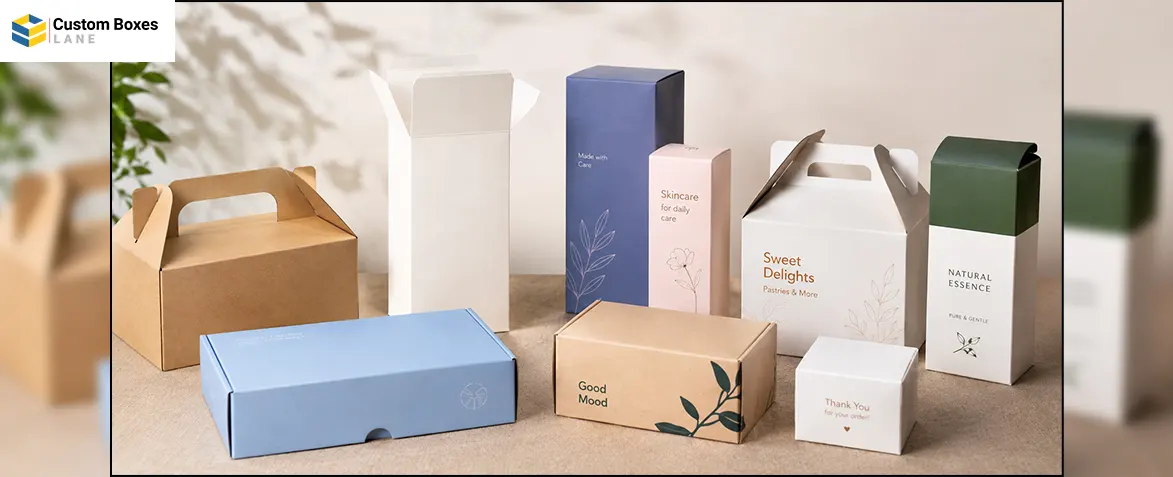
Paperboard solutions are specialized, cellulose-based materials thicker than 200 microns, categorized by their fiber content, either virgin or recycled. The most common types include:
-
Paperboard Cartons
Paperboard cartons are lightweight, eco-friendly packaging containers. They are typically made from compressed wood pulp or recycled paper fibers. Their excellent printability, cost-effectiveness, and ability to fold flat for efficient shipping and storage make them a popular choice for packing food, cosmetics, and pharmaceutical products.
Common Types
Based on how they hold, dispense, and display the product, paperboard cartons are structurally categorized into these types:
- Gable-Top Cartons: Traditional cartons with a peaked, fold-out top, commonly used for milk and juice.
- Window Patching Cartons: Cartons with a die-cut opening layered with a transparent film, allowing consumers to see the product inside before buying.
- Sleeve Boxes: Wraparound paperboard bands used to add branding or secure trays together.
Pros and Cons
While highly customizable and ideal for brand presentation, paperboard cartons lack the heavy-duty durability of corrugated boxes and can be vulnerable to moisture and heavy compression. Consider their pros and cons here:
Pros of Paperboard Cartons
- Lightweight & Efficient: Their thin, single-layer profile minimizes shipping weight and optimizes storage and retail shelf space.
- Eco-Friendly: Made primarily from renewable wood pulp, they are recyclable, biodegradable, and support a circular economy.
- Excellent Printability: The smooth, flat surface is perfect for high-quality graphics, window cutouts, and brand marketing.
- Cost-Effective: They are generally cheaper to produce and customize compared to plastic, glass, or metal alternatives.
Cons of Paperboard Cartons
- Vulnerable to Moisture: Uncoated paperboard absorbs water easily, which compromises structural integrity and makes it unsuitable for long-term storage in damp environments.
- Limited Strength: Lacking the fluted, shock-absorbing layers of corrugated cardboard, they are not recommended for heavy or fragile items without additional packaging.
- Recycling Complexity: Cartons coated with plastic or lined with aluminum foil, like some milk and juice containers, require specialized facilities to process and may not be accepted in all standard recycling programs.
Applications
- Paperboard is heavily utilized in the food industry for both dry and perishable goods, including cereal, pasta, pancake mix, dry coffee/tea boxes, frozen meals, and baked goods.
- Because paperboard is clean and can be tightly sealed, it is ideal for protecting sensitive medical and health items. Vitamin bottles, blister packs, band-aids, toothpaste, tissue, and soap boxes.
- Paperboard cartons are also common for packing face creams, perfumes, make-up palettes, and hair care. Specialty boxes are designed for holiday or travel cosmetic kits due to their premium printing surfaces.
-
Kraft Paperboard Boxes
Kraft paperboard boxes are sustainable, durable, and highly customizable packaging solutions. Named after the German word for “strength”, they are a popular, eco-friendly choice for shipping, retail, and food storage across e-commerce and artisanal industries.
Common Types
They are classified into two main categories based on their material type or the raw paper grade. Have a look at them:
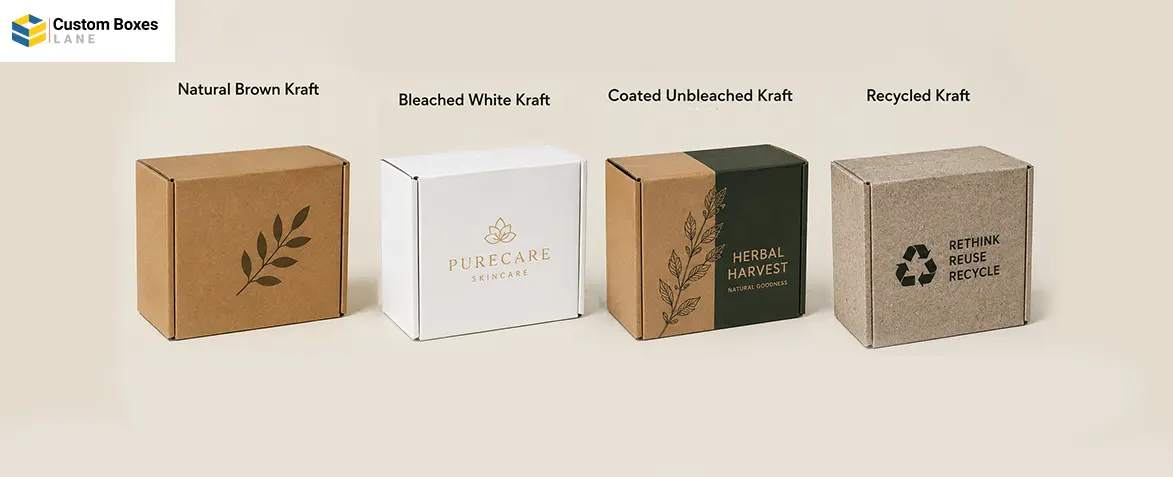
Types Based on Material Grade
- Natural Brown Kraft (SUS/CUK): Unbleached, eco-friendly, and highly recyclable. It offers a rustic aesthetic and is very popular for food and organic products.
- Bleached White Kraft: Chemically bleached to achieve a bright, clean white surface. It is ideal for high-end, detailed printing and vibrant branding.
- Coated Unbleached Kraft (CUK): Features a clay-coated side for premium print quality while retaining the natural brown interior.
- Recycled Kraft: Made from Post-Consumer Recycled (PCR) materials. It provides maximum sustainability and a distinct, flecked texture.
Pros and Cons
Kraft paperboard boxes offer excellent durability and a natural aesthetic, making them ideal for eco-friendly brands. However, they lack heavy-duty load capacity and have poor water resistance. Consider their pros and cons in detail:
Pros of Kraft Paperboard Boxes
Eco-Friendly: Kraft boxes are made from renewable, unbleached wood pulp. They are 100% recyclable, biodegradable, and compostable.
- Lightweight yet Durable: Thanks to the longer natural fibers used in its creation, kraft paper is highly tear-resistant and protective for its weight. It saves on shipping costs since it doesn't add bulk.
- Cost-Effective: Because it requires fewer chemical bleaching processes, kraft material is highly budget-friendly.
- Customizable: The natural, earthy brown surface gives products an organic, high-quality, and premium feel. It works beautifully with minimalist printing, debossing, or foil stamping.
Cons of Kraft Paperboard Boxes
- Poor Moisture Resistance: Uncoated kraft paper absorbs liquids easily and weakens when wet, meaning it is not suitable for damp environments or unsealed liquid products.
- Limited for Heavy Shipping: Since kraft is typically a single-layer paperboard, it lacks the structural, shock-absorbing fluting found in Corrugated Boxes. It is not ideal for heavy-duty or highly fragile transit.
- Printing Constraints: The natural brown base alters the appearance of printed inks. Achieving vibrant, multi-colored, or highly detailed patterns often requires a white base coat, which can drive up production costs.
- Chemicals in Production: If not sourced responsibly, the traditional chemical pulping process can have a negative environmental impact.
Applications
- Food and Beverage: Ideal for bakeries, fast food, and takeout meals. The material holds up against heat, moisture, and grease when treated, and safely holds items like cakes, pastries, burgers, and sandwiches.
- E-Commerce and Shipping: Designed to protect and transport lightweight to moderately heavy items. Their robust fiber structure and tear resistance safeguard fragile goods while saving on shipping weights.
- Retail and Apparel: Used for shoe boxes, apparel packaging, and product sleeves. They provide a raw, minimalist aesthetic that allows brands to meet sustainability goals while looking high-end.
- Cosmetics and Skincare: Often chosen for organic and natural beauty products because the unbleached, earthy appearance highlights an eco-friendly brand philosophy.
- Gift and Jewelry Packaging: Custom-designed boxes with inserts to present luxury items like watches, jewelry, and handmade crafts.
-
Folding Cartons
Folding cartons are versatile, lightweight paperboard boxes used primarily for retail and consumer packaging. Shipped flat to minimize storage and transport costs, they are designed to be easily folded, assembled, and filled. They act as both a protective layer and a primary marketing tool on store shelves.
Common Types
Folding cartons are generally classified based on their opening and closing mechanisms. Explore their most common types:
- Tuck End Cartons: Top and bottom flaps fold from the same or opposite directions (one folds from the back, one from the front). This design is cost-effective and highly material-efficient.
- Auto Lock Bottom Cartons: As the box is expanded, the pre-glued bottom automatically locks into place. This provides superior strength and is the best choice for heavier items like candles or bottled products.
- Snap Lock Bottom (1-2-3 Lock): Features a base with interlocking tabs that snap into place manually. It bridges the gap in cost and strength between basic tuck-ends and heavier automatic bottoms.
Pros and Cons
Shipped flat to save space, foldable cartons are ideal for lightweight retail goods like cosmetics, pharmaceuticals, and food items. However, they offer less structural protection than corrugated alternatives. Their pros and cons are:
Pros of Folding Cartons
Highly Cost-Effective: They are inexpensive to produce and buy, particularly for large-scale manufacturing runs.
- Space-Saving: Because they ship and store flat, they take up minimal warehouse space.
- Customizable and Printable: They are easily printed using offset or digital printing. Brands can apply various finishes such as embossing, foil stamping, and gloss coatings to enhance visual appeal.
- Lightweight: Their low weight significantly lowers shipping and mailing costs.
- Eco-Friendly: Typically made from paperboard, they are widely recyclable, biodegradable, and sustainable.
Cons of Folding Cartons
- Limited Protection: They are thinner than corrugated boxes, making them vulnerable to crushing, impacts, and bending.
- Weight Constraints: Due to material thickness limits (often under 0.81 mm), they are unsuitable for holding heavy or bulky objects.
- Setup Time: Unlike pre-constructed rigid boxes, folding cartons require manual or machine assembly, adding a step to the packing process.
- Lower Perceived Luxury: While great for standard retail, they lack the premium, rigid feel of high-end, thick cardboard boxes.
Applications
- Food and Beverage: Used for dry goods, cereals, frozen meals, teas, and pastries. They can include food-safe coatings and specific windows to display the contents.
- Pharmaceuticals: Provide secure packaging for medications, supplements, and blister packs. They are ideal for conveying dosage instructions, safety warnings, and tamper-evident seals.
- Health and Beauty: Frequently utilized for cosmetics, skincare, and fragrances. Folding cartons support high-quality printing, foil stamping, and elegant designs to reflect premium brand value.
- Electronics and Consumer Goods: Securely package lightweight electronics, hardware, toys, and small appliances. They can be designed with interior compartments and cut-out windows to showcase the product.
A Comparative Overview: Paperboard Cartons vs. Kraft Boxes vs. Folding Cartons
Paperboard cartons, kraft paperboard boxes, and folding cartons are all paper-based packaging solutions, but they differ significantly in material composition, structural strength, and intended use.
While often used interchangeably, understanding these differences helps optimize for branding, durability, and cost. Have a comparative overview:
|
Features |
Paperboard Cartons |
Kraft Paperboard Boxes |
Folding Cartons |
|
Material Foundation |
Bleached or coated virgin paper pulp |
Unbleached, recycled wood pulp |
Can be paperboard, kraft, or chipboard |
|
Aesthetic & Finish |
Smooth, glossy, ideal for high-vibrancy printing |
Rustic, matte brown finish |
Highly customizable; it depends on the base material used |
|
Storage & Shipping |
Ships flat or pre-assembled, depending on the specific design |
Ships flat for assembly |
Ships entirely flat to minimize freight costs |
|
Sustainability |
Highly recyclable, though coated types require special processing |
Exceptional; typically 100% recycled and biodegradable |
Variable; eco-friendly if made with kraft, less if heavily coated |
|
Primary Advantage |
Crisp, high-end retail presentation |
Earth-friendly and natural look |
Extremely cost-effective and space-saving |
When to Choose Paperboard, Kraft, and Folding Cartons?
Choose paperboard cartons for lightweight retail presentation, but Kraft paperboard boxes for eco-friendly and heavy-duty needs. But when you require highly customizable, collapsible, and cost-effective bulk shipping for store shelves, opt for folding cartons.
Paperboard is most commonly called bux board or cartonboard in the packaging industry. Because of its thickness and versatility, everyday consumers often refer to it generically as cardboard or chipboard, though these terms can refer to different things depending on the context.
Paperboard packaging is a thick, rigid, and lightweight paper-based material used for consumer goods and retail displays.
No, paperboard is not the same as cardboard. While people often use the terms interchangeably, they are structurally different materials with distinct uses.
Paperboard is categorized into four main types, including Solid Unbleached Sulfate / Coated Natural Kraft (SUS / CUK), Solid Bleached Sulfate (SBS), Folding Box Board (FBB), and Coated Recycled Board (CRB).