

A Comprehensive Guide on Why Coffee Bags Have Vents
Waqas Khan Pitafi 2025-12-19 12:40:00
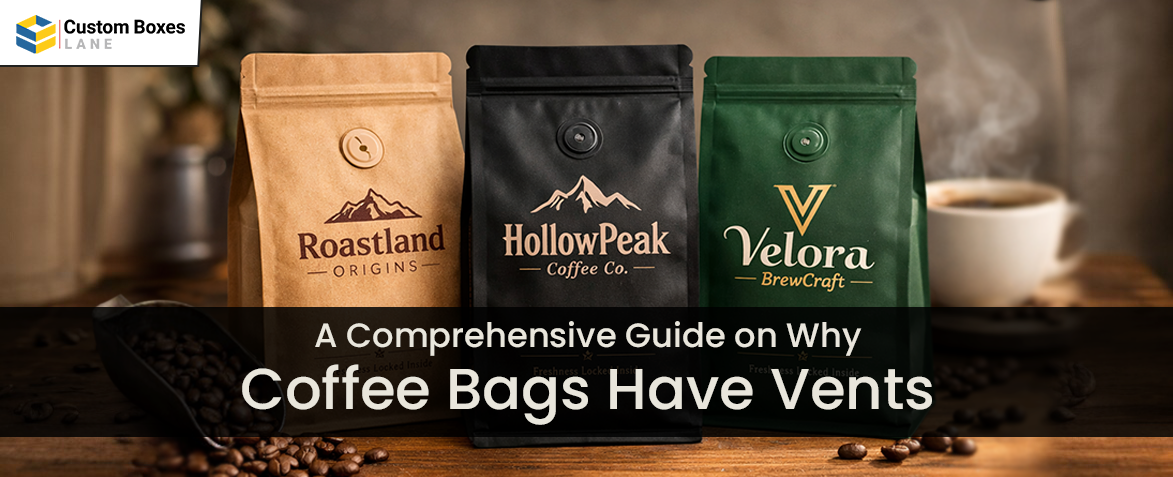
Table of Content
If you are going to launch a coffee roast brand or run a well-established coffee brand, you know packaging plays a significant role. Degassing valves serve as the backbone of coffee packaging. They are necessary for keeping your coffee fresh and flavorful.
Are you wondering what these valves are? Read this blog in detail about why do coffee bags have vents and why they matter!
What is Valve on Coffee Bags?
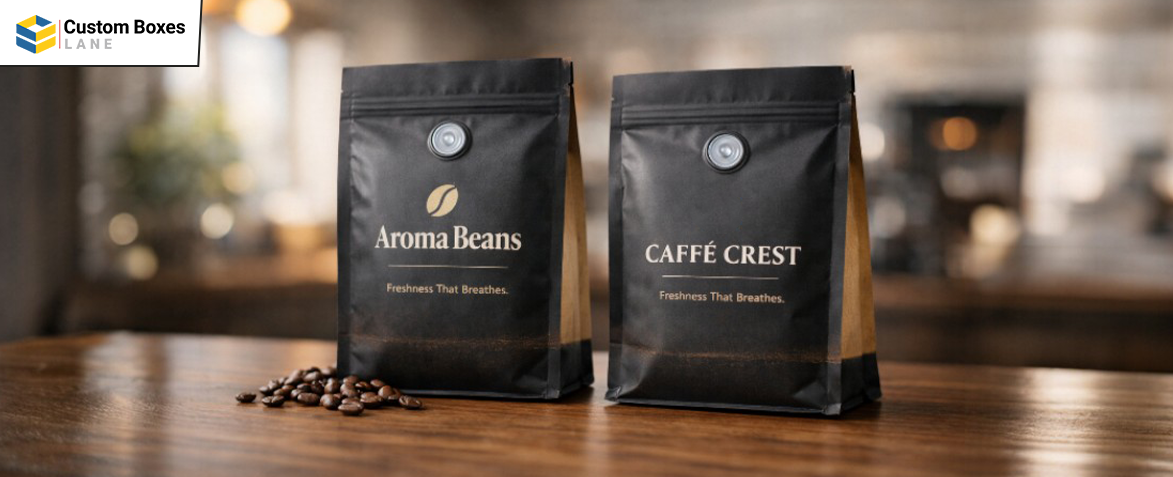
Before exploring why do coffee bags have, let’s dive into their definition. Valve on coffee bags is also known as “Degassing Valves”. You might have seen them in the form of tiny slits somewhere towards the top of coffee bags or pouches. This part is called a “coffee degassing valve.”
This valve is a one-way vent. Its primary purpose is to let coffee beans and ground coffee slowly release carbon dioxide and other volatile gases from the bag. However, released gases don’t come into contact with the air outside.
Why Degassing Valves Matter for Coffee Packaging?
When you roast coffee beans, several chemical reactions happen. Due to these reactions, volatile gases, mainly carbon dioxide, form inside beans. As a matter of fact, these gases play a positive role by adding flavor to coffee. But the problem is that they continue to emit for some time.
Hence, after roasting, the accumulation of carbon dioxide starts to slowly seep out. These emissions can take from a few days to weeks to disappear. In this scenario, what to do with all the contained gases? That’s where you need to insert a degassing valve into coffee pouches.
With this valve, you not only let carbon dioxide release but also keep oxygen out. These two main functional roles of degassing value prevent oxidation while prolonging the shelf life of coffee beans inside bags.
3 Main Reasons to Use Vented Coffee Bags
Apart from the two main functional benefits of coffee bags with vents, consider three main reasons why coffee bags have vents:
-
Retain Package Shape
When the degassing valve allows volatile gases to release, it actually helps your coffee bag maintain its shape. Despite the fact that gases continue to be released after roasting, even after coffee is packaged. But if volatile gases are stuck inside the package, it may cause the coffee bag to inflate.
As a result, your bag not only looks bad but may also cause the package to leak or burst open. This way, the degassing valve gives volatile gases a space to escape outside.
-
Prolong Freshness for Coffee Beans
Apart from preventing coffee bag bursting, the degassing valve prevents oxygen from being let in for a longer time. If you don’t prevent oxygen entry, it causes oxidation. The process of oxidation leads to the staleness of coffee.
Moreover, oxidation reduces the shelf life of coffee beans while negatively impacting their flavor. However, the degassing valve works effectively to prevent this process by keeping oxygen out.
-
Enhance Coffee Packaging Efficiency
If you don’t use a degassing valve, your coffee business will have to wait hours or even weeks for coffee bags to release most of their gases before sealing them in airtight packaging. But if you incorporate a degassing valve, it allows your brand to pack coffee immediately without waiting for all gases to be released.
How Do Coffee Bags with a Valve Work?

The degassing valve has a flexible diaphragm that pushes outward with the pressure of carbon dioxide. However, it remains sealed when external air tries to push in while keeping oxygen out. Put simply, a degassing valve ensures freshness by preventing beans' exposure to too much oxygen while venting out CO2.
When Valves Become Necessary?
Since you know beans, continuously release CO₂ after roasting for days to weeks without a valve, so pressure builds. In the case of whole beans, this process of CO₂ release gets slower and longer for ground beans, making valves essential for preventing bag failure and maintaining freshness for weeks.
When You Don’t Need Degassing Valves?
You don’t need a degassing valve for coffee packaging when selling single-serve packs, instant coffee, or very small portions meant for quick consumption. The reason is that CO2 escapes or coffee is consumed fast.
And if you use vacuum sealing or low-barrier permeable bags, then your coffee remains fresh while allowing CO2 out without letting oxygen in. So, using valves for smaller packs only adds cost and can raise recycling concerns. Considering this, skipping valves is feasible for specific quick-use products or if you prefer to eliminate the valve waste. But this is not suitable for larger coffee bags.
Where to Get Perfectly Designed Coffee Bags with Vents?
Looking for well-customized coffee packaging? Look nowhere but Custom Boxes Lane. Because it is one of those suppliers that gives you the most reliable and effective solution for your preserved coffee beans.
Contact us today, and our team will help you find the high-barrier films with practical features like resealable closures and degassing valves to meet your brand needs.
Coffee bags have one-way vents to let out carbon dioxide (CO2) released by freshly roasted beans while preventing the bag from bloating or bursting. Simultaneously, they block oxygen from entering and making the coffee stale while preserving freshness, flavor, and aroma.
Choosing a coffee bag without a ventilation hole. It is often referred to as a degassing or one-way valve that can significantly impact the quality and freshness of your coffee beans. This valve lets carbon dioxide out and oxygen in to maintain the freshness and quality of coffee beans.
There are several credible coffee bag manufacturers in the USA. One such example is Custom Boxes Lane, who customize premium quality coffee bags with free delivery and free design support.