

How a Small Soap Brand Went from “Meh” to “Nice Bar” with Luxury Packaging
Waqas Khan Pitafi 2026-01-14 01:02:48
For a long time, Alice’s soap brand had a quiet confidence problem.
Not because her soaps were not good, they were excellent. Skin-loving ingredients, beautiful scents, small-batch care. The kind of soap people used once and immediately thought, why doesn’t mine do this at home?
And yet, sales were stuck. Why? Because the packaging was doing the soap absolutely no favors.
Great Soap, Terrible First Impression
On the shelf, her soap looked polite, not attractive, and forgettable. The kind of packaging you glance at, nod respectfully, and move on from. Customers would pick it up, sniff it, smile, and then hesitate as they’d just realized the price didn’t complement the outfit.
No-brainer, soap felt premium. But the packaging screamed, “I’m trying my best.” Though people loved the soaps after buying it. The problem was getting them to buy it in the first place.
When the Soap Bar was Set Too Low?
At local markets, the pattern was painful but clear. Shoppers would hover, ask questions, compliment the scent, and then quietly put the bar back down as it had personally offended their budget. Some even asked, “Why is this more expensive?”—a question no premium brand wants to hear.
At local markets, the pattern was painful but clear. Buyers would hover, ask questions, and compliment the scent. And then quietly put the bar back down as it had personally offended their budget. Some even asked, “Why is this more expensive?”, a question no premium brand wants to hear.
That’s when soap brand owner, Alice, realized the truth: her soap was not overpriced. It was underdressed.
Time to Put Soap in a Proper Suit
When Alice approached Custom Boxes Lane, her goal was simple. That was to stop letting her great soaps look like they came from a clearance bin. Our design team was not here to change her soap bars; we were here to give it the confidence the brand deserved.
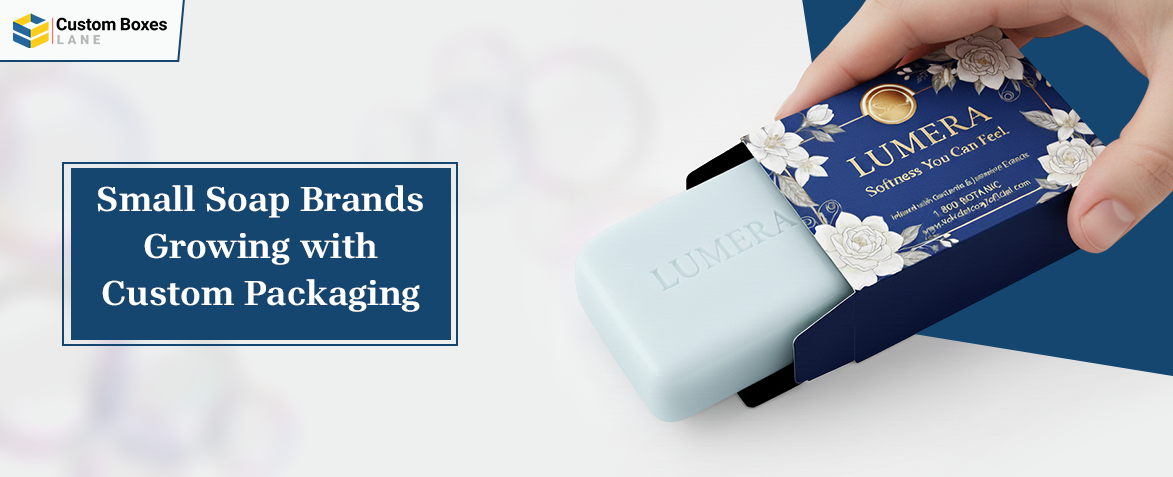
Out went the flimsy wraps. In came structured luxury soap boxes. We introduced textured finishes you actually want to touch, clean typography that whispers “I know what I’m doing,” and calm, intentional color palettes that didn’t shout but absolutely commanded attention.
At first glance, our team of design experts replaced flimsy wraps with well-styled two-piece luxury boxes. We introduced textured finishes you actually want to touch, clean typography that whispers “I know what I’m doing,” and calm, intentional color palettes that didn’t shout but absolutely commanded attention.
This was not packaging designed to scream luxury. It was designed to please customers with its exquisite look.
Luxury Without Becoming “That Brand”
The biggest fear of Alice was going full fancy and losing the handmade charm. Nobody wanted soap that suddenly looked like it belonged in a duty-free shop.
So our team kept it grounded using minimal design, thoughtful materials, and subtle details. The packaging felt artisanal, but elevated, like the soap had matured, not sold out.
Now, when customers picked it up, the weight felt reassuring. The unboxing felt intentional. And soap bars finally looked like something you’d gift instead of apologizing for.
What Happened Next (Spoiler: Sales Went Up)
The results were immediate and slightly dramatic. Buyers stopped hesitating. Average order values increased. Gift purchases also increased. Online, the packaging made soap photos look ten times more premium without changing a single ingredient inside the bar. And best of all? Nobody asked why the soap bar costs more anymore.
The Real Glow-Up
The soap didn’t change. The brand didn’t change. The confidence did.
With luxury packaging that matched the quality inside, Alice’s small soap brand finally stopped underselling itself. Turns out, when your product looks like it belongs in a boutique, customers treat it like one.
Our Takeaway: Same soap. Better outfit. Much better sales.