

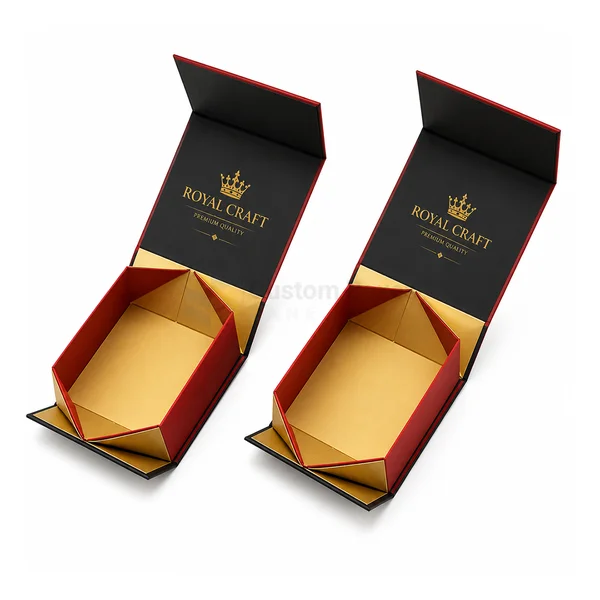
.webp "collapsible rigid boxes")
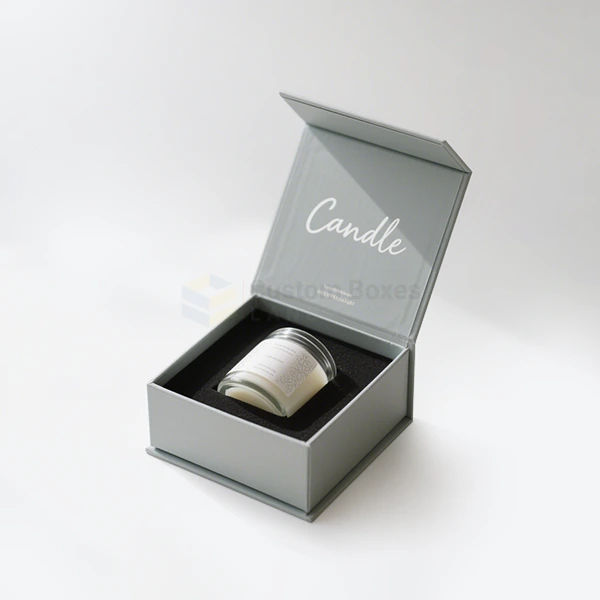
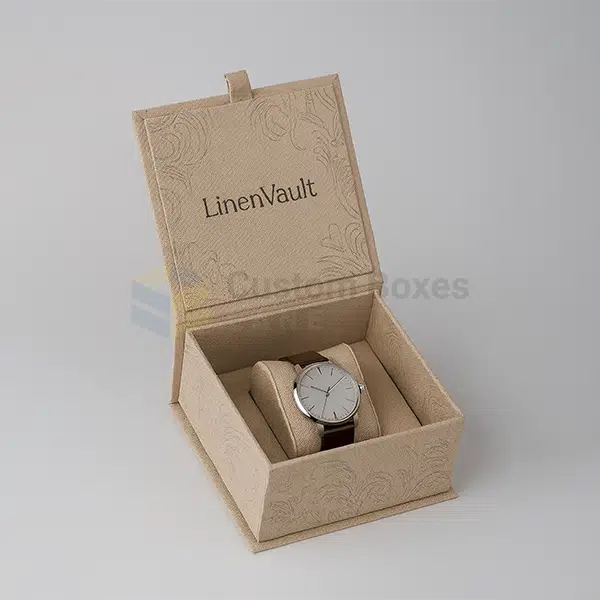
.webp "Custom Printed Linen Boxes")
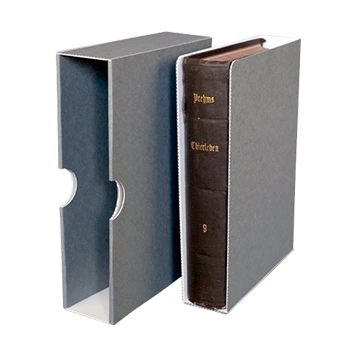
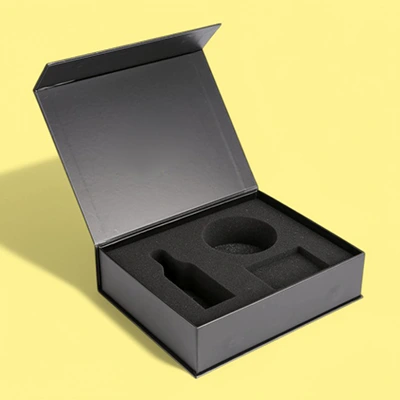
.webp "small rigid boxes")
.webp "small rigid packaging")
.webp "Rigid drawer boxes")
.webp "Rigid drawer boxes")
.webp "custom printed shoulder neck box")
.webp "custom printed shoulder neck box")
.webp "Custom Printed Book Style Rigid Boxes")
.webp "Custom Printed Book Style Rigid Packaging")
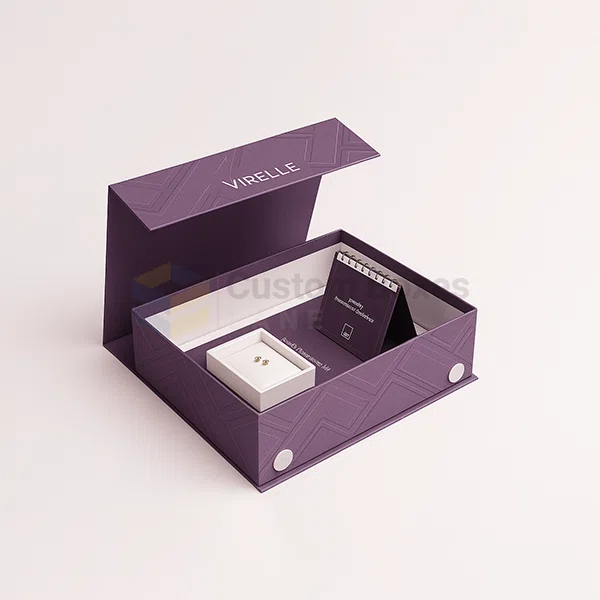
.webp "custom printed presentation boxes")
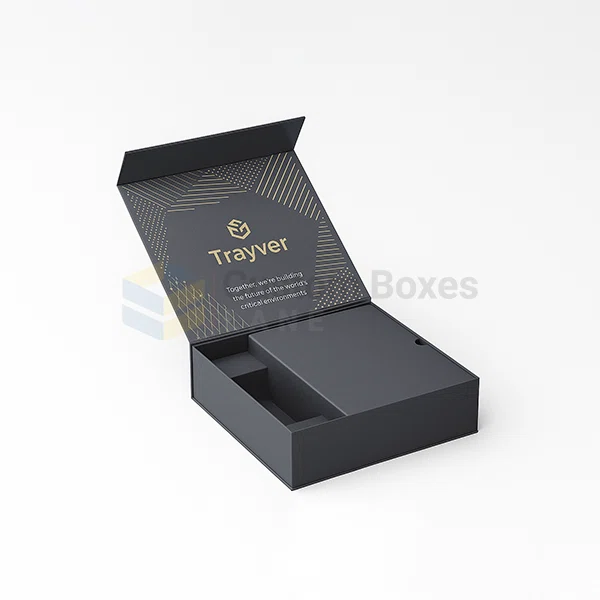
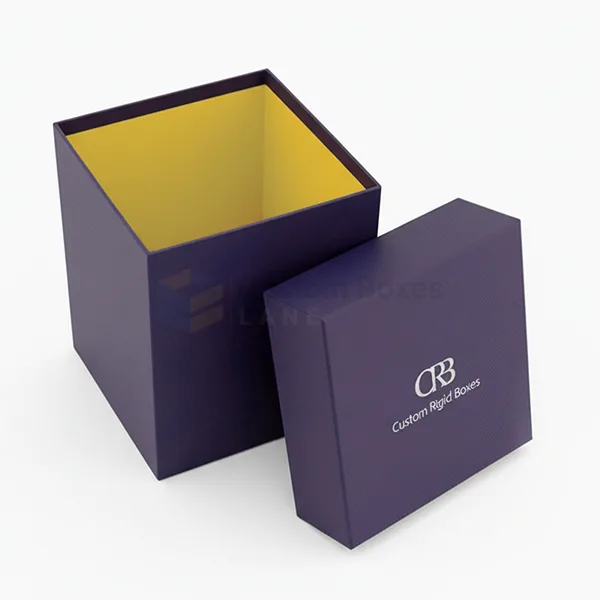
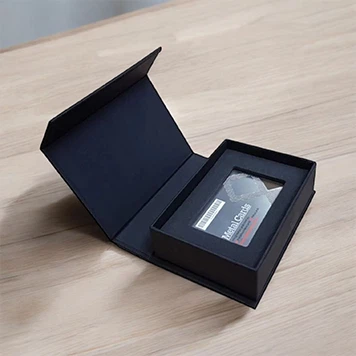
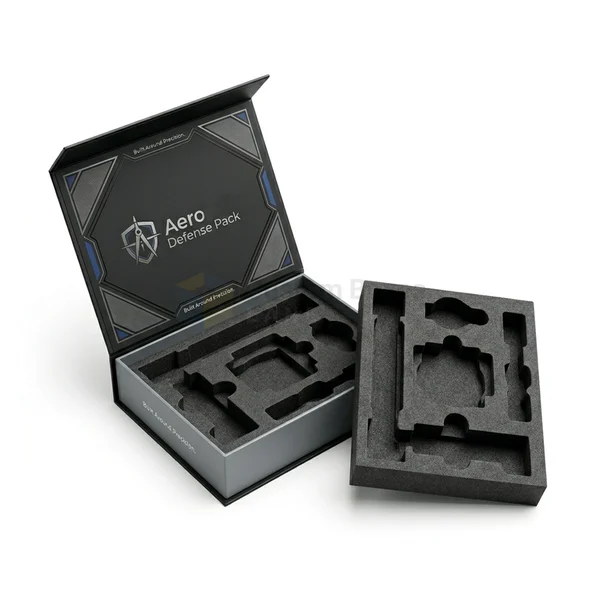
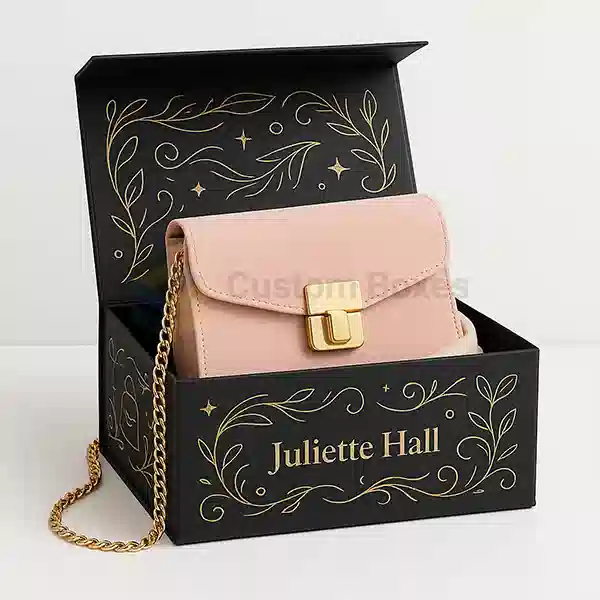
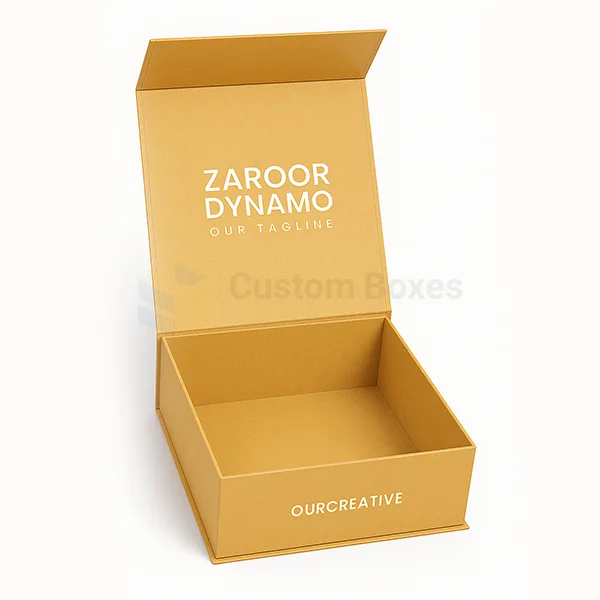
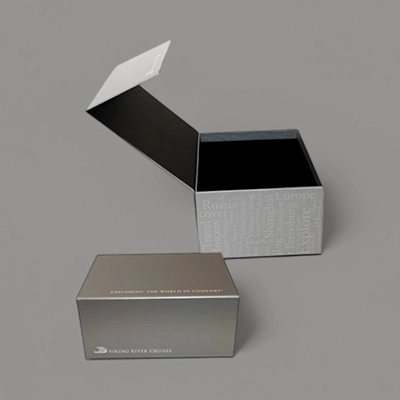
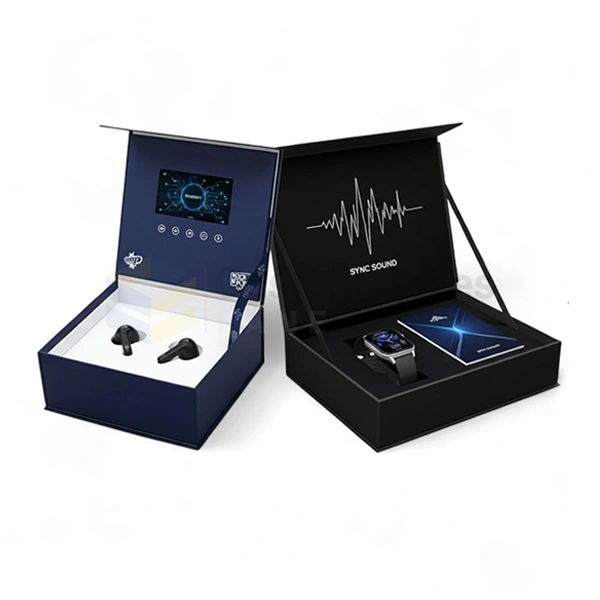
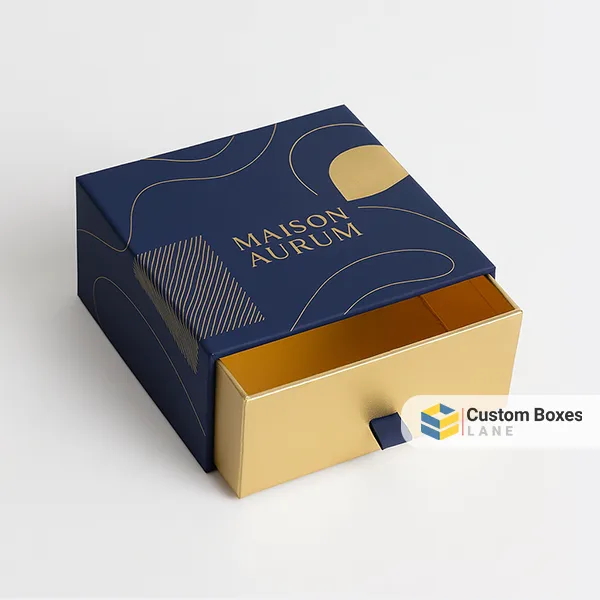
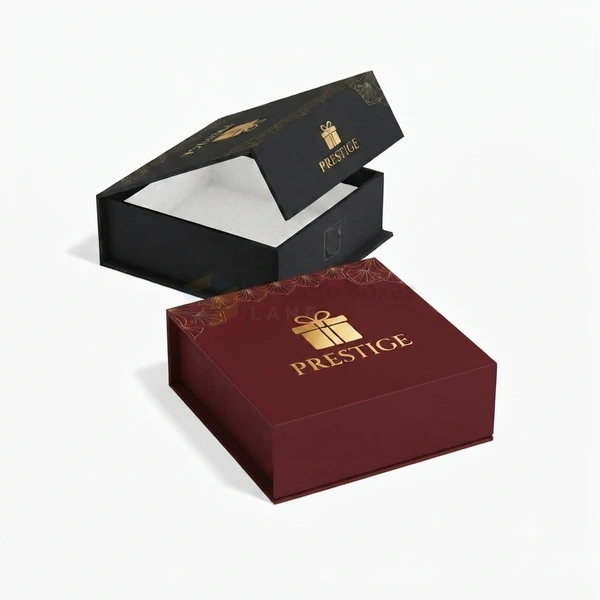
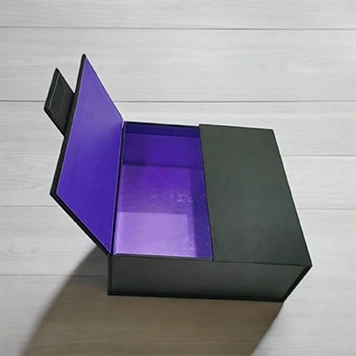
.webp "razor boxes")
.webp "razor blade box")
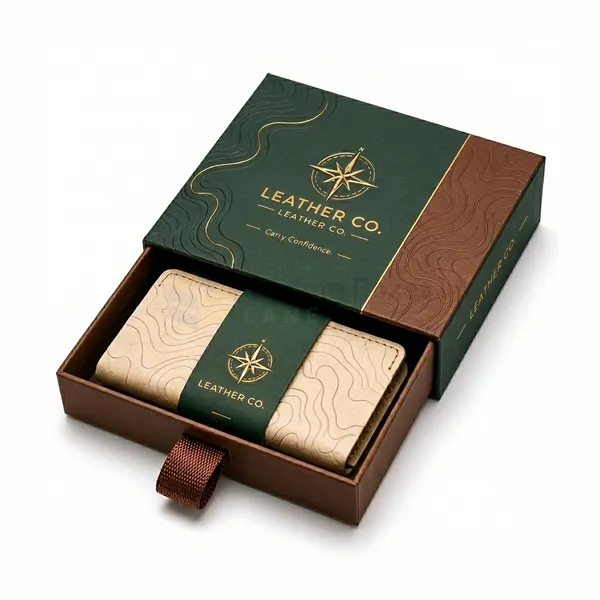
.png "Magnetic keepsake boxes")
.png "Magnetic keepsake boxes")
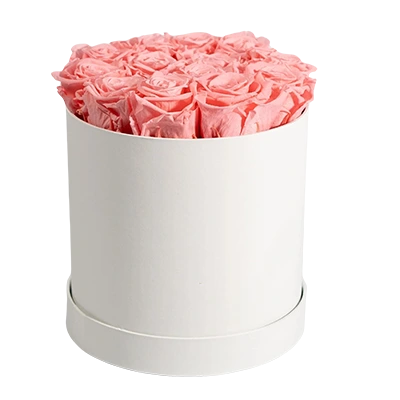
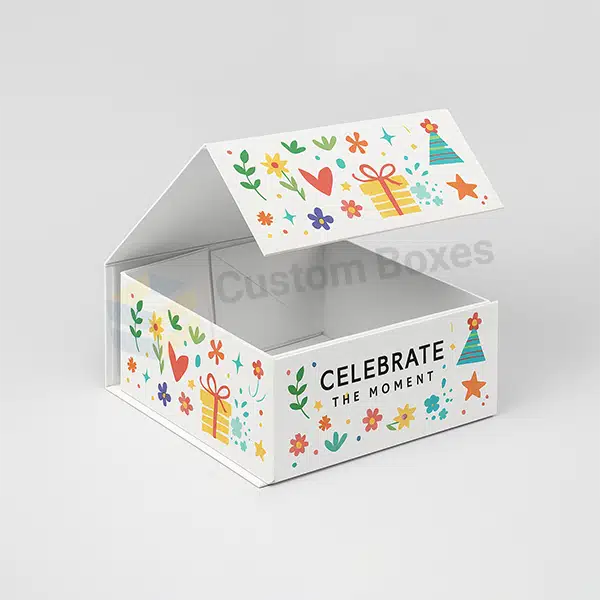
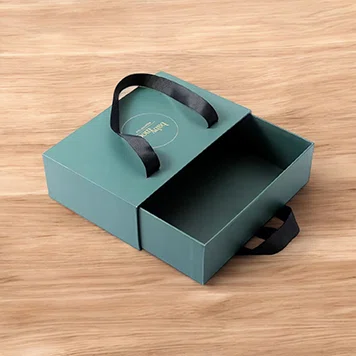
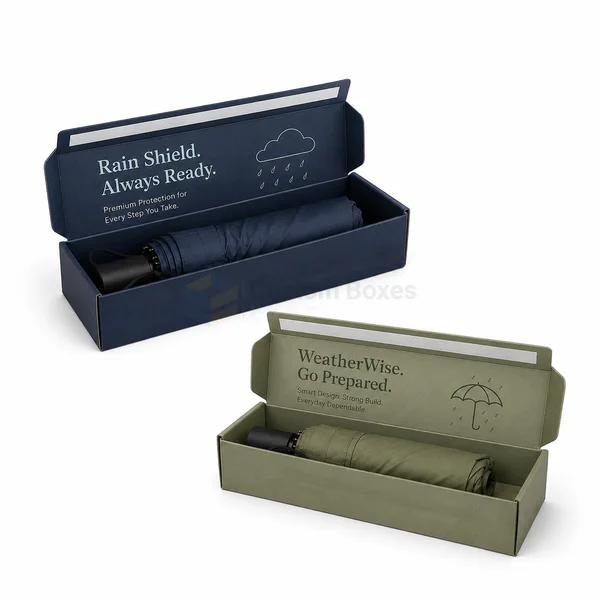
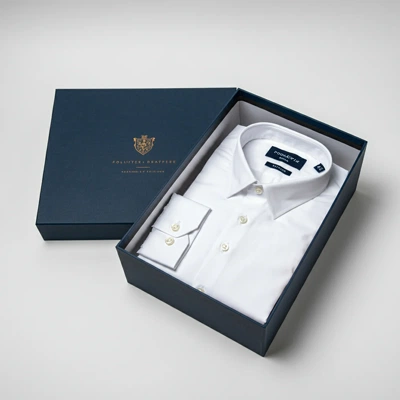
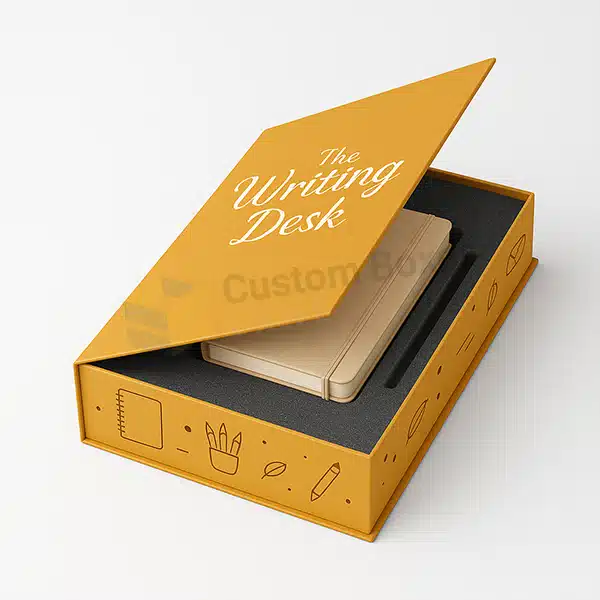
.webp "elegant bookend packaging")
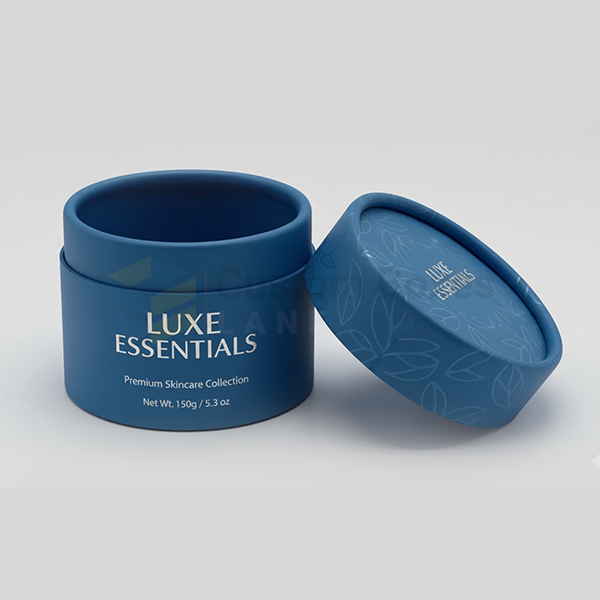
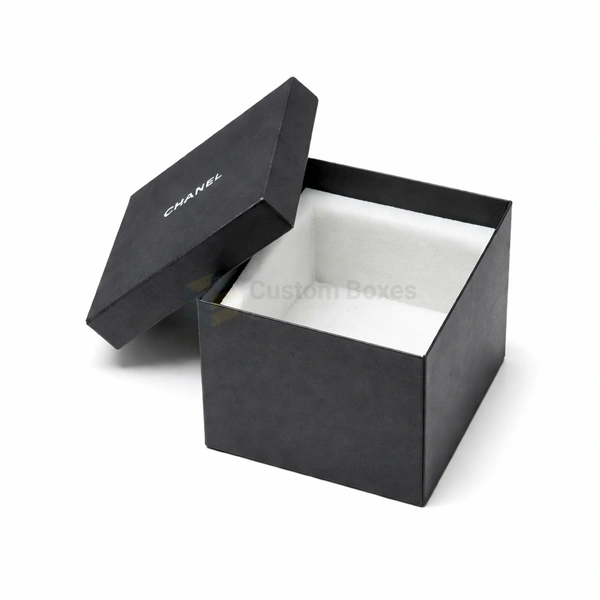
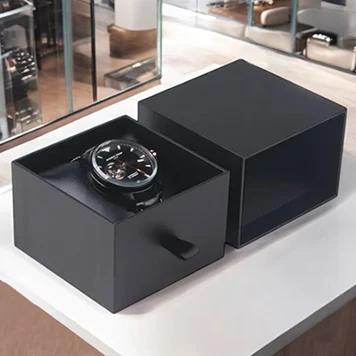
.webp "large rigid boxes")
.webp "custom large rigid boxes")
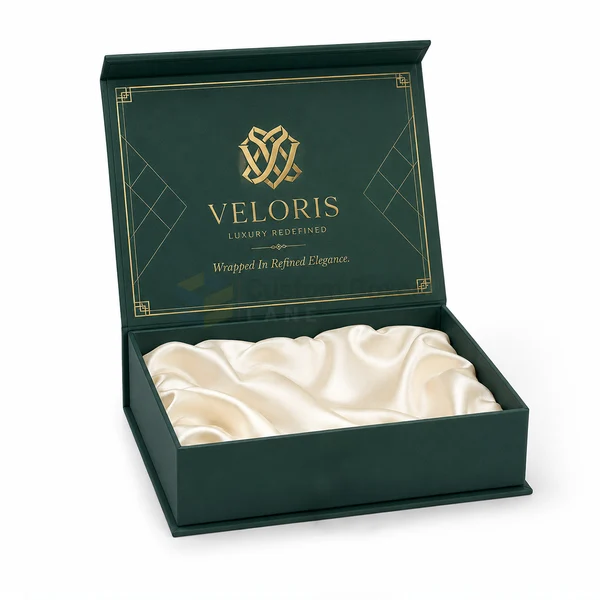
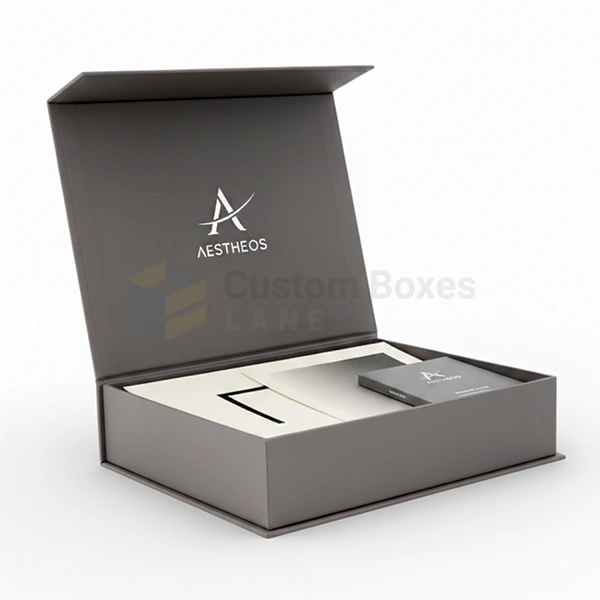
.webp "custom printed white rigid boxes")
.webp "custom printed white rigid boxes")
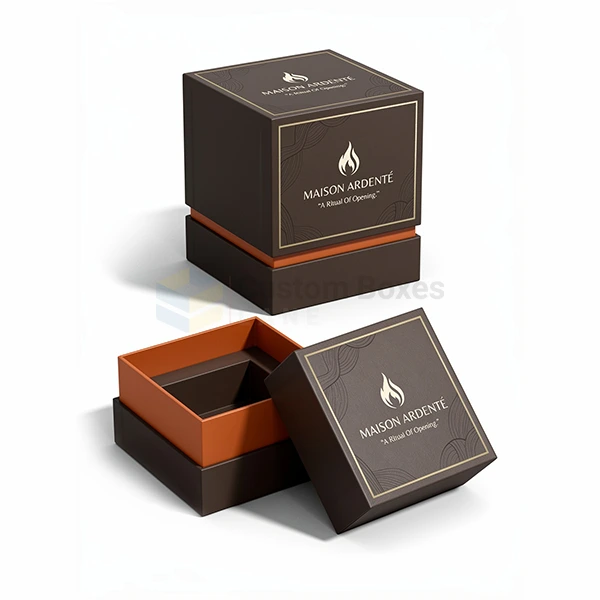
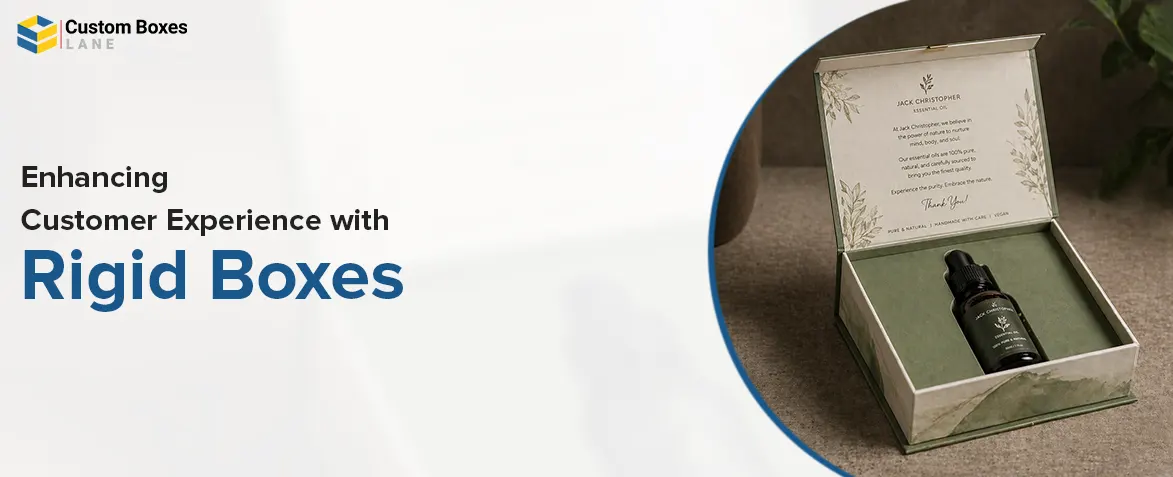
From Oil Spills to Luxury Thrills: Upgraded Packaging with Classy Rigid Boxes
“Not receiving response from customers as it should have. I don’t know what the problem is.” It was a statement by Jack ...
Read case studyFor some products, their pristine condition counts a lot till first unboxing, and if it’s compromised, the first impression isn’t impactful at all. With high-quality sturdy custom rigid boxes, your brand is sorted to outshine its packaging game and set itself apart from the rest of the competitors. For these high-end items, Custom Boxes Lane manufactures stunning custom packaging with MOQ of 100. Ping us to avail free 3D mockups, last-mile shipping, best rates, and more. Let’s get started!
With a wide variety of options to choose from for your packaging needs, Custom Boxes Lane always considers high-quality materials for your packaging. The options we include can be:
|
Material |
Major Features |
|
Art Paper |
Smooth finish, high ink absorption, clay-coated surface |
|
Chipboard |
White or plain interior face, rigid density, flat surface |
|
Greyboard |
High GSM (thickness), compressed recycled fibers, heavy structural weight |
|
Textured Paper |
Embossed linen/matte patterns, anti-scratch surface, rich tactile grain |
|
Specialty Paper |
Light-reflective pigments, metallic sheen, pearlescent coating |
|
Fabric / Leather |
Woven cloth threads, faux leather grain, soft velvet/satin backing |
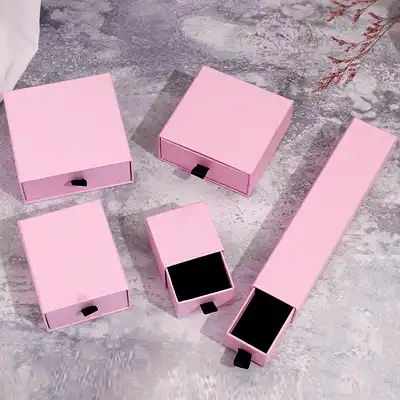
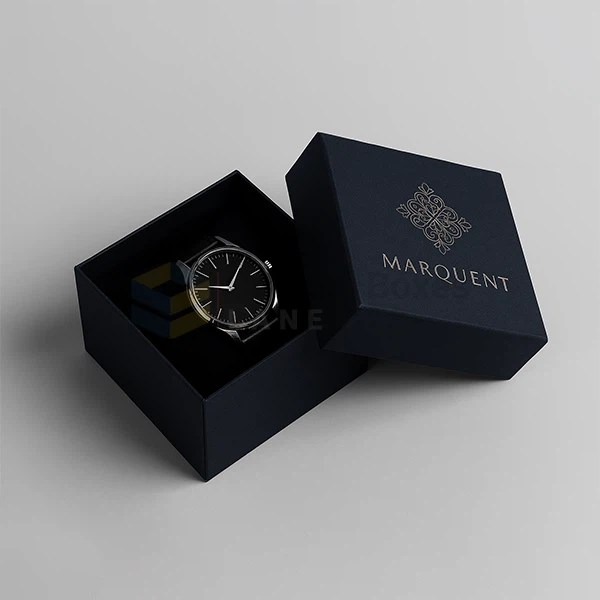
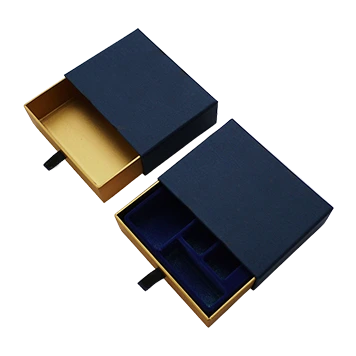
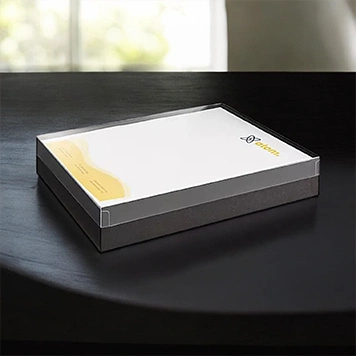
Don’t pack your offering in a random-style packaging box; choose purpose-built styles like custom bookend boxes. Our innovative structural design boxes are all about your customer’s unboxing experience. Some of the options you can pick from include:
|
Rigid Box Style |
Structural Design |
Usage |
|
Separate base and lid |
Jewelry, apparel, cosmetics |
|
|
Outer sleeve with an inner tray |
Watches, luxury cosmetics, & jewelry |
|
|
Flat and foldable structure |
PR kits, corporate gifts, & premium chocolates |
|
|
Shoulder-Neck |
Three-piece build with an inner "neck" |
Luxury perfumes or skincare items |
| Magnetic Closure | Built-in hidden magnets |
High-end tech gadgets |
|
Hinged Flip Lid |
Permanently attached lid |
Premium cigars or apparels |
|
Round edge tube packaging |
Specialty bottles & cosmetics |
The aesthetic design of your packaging undeniably handles half of your marketing efforts. Captivating artwork and vivid colors on a rigid box instantly pull consumers in, prompting them to discover what you are selling.
We always ensure your boxes provide clear, informative details about your business and products that build immediate buyer confidence. Also, leads to quick purchasing decisions. We deliver exceptional color precision at highly competitive rates using advanced printing methods, including:
The appearance of the boxes is dependent on the color scheme. Since colors play an important role in establishing a strong visual brand identity, it carries deep emotional and psychological impacts. Each hue communicates qualities like energy, passion, or dependability to your audience. As a specialized rigid box manufacturer, we offer two primary color systems to perfectly match your design needs:
Our custom printed rigid boxes, from small rigid boxes to large sets, are always crafted in the ideal packaging size that doesn't compromise on design consistency. From safely transporting delicate products like bottles, jars, or cakes to protecting books in a custom book slipcase. They streamline your shipping process, making it highly efficient to move, protect, and preserve your items perfectly.
|
Use For |
Size in Inches (L × W × H) |
Size in mm (L × W × H) |
|
Jewelry & Small Accessories |
2 × 2 × 1.25 to 3.5 × 3.5 × 1.5 |
50 × 50 × 30 to 90 × 90 × 40 |
|
Cosmetics & Skincare |
4 × 4 × 2 to 8 × 6 × 2.5 |
100 × 100 × 50 to 200 × 150 × 60 |
|
Apparel & Gift Sets |
10 × 8 × 3 to 15 × 11 × 4.5 |
300 × 220 × 80 to 380 × 280 × 120 |
|
Large Hampers / Luxury Goods |
Up to 20 × 16 × 8 |
Up to 500 × 400 × 200 |
The printing phase is just to develop the brand’s thematic appearance. While the finishes are applied to it to turn the simple aesthetics into top-notch looks. Some of our diverse selection of finishing techniques may include clean, sophisticated, and captivating options, such as it can be:
You can also upgrade your custom rigid boxes in the USA by integrating the following premium add-ons:
We offer an array of complimentary perks to maximize your value, including:
To ensure your absolute satisfaction, Custom Boxes Lane also provides free product sampling before you commit to a full purchase. Our comprehensive graphic design portfolio is packed with cutting-edge concepts that put you in full control of your retail branding.
Stand out with your packaging solutions with rigid boxes. For every scale of the order, we ensure the consistency of design is always achieved, and your packaging remains unique. Share your design concept with us, and we’ll bring it to life. You can reach out to us via email at sales@customboxeslane.com or directly dial (904) 899-9020 for on-call support.
“Not receiving response from customers as it should have. I don’t know what the problem is.” It was a statement by Jack ...
Read case study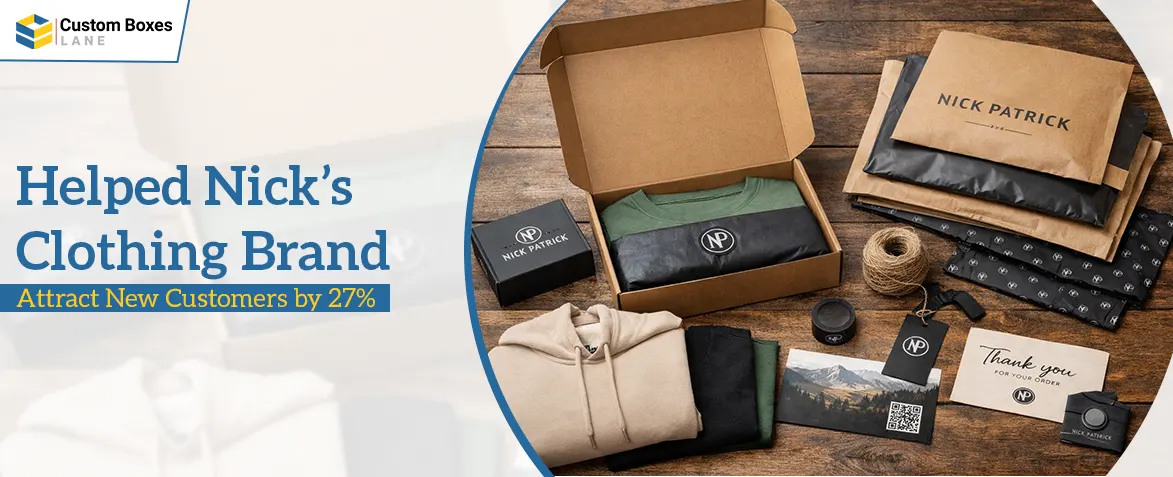
Imagine a passionate apparel brand with genuinely beautiful clothing, a growing customer base, and a product that practi...
Read case study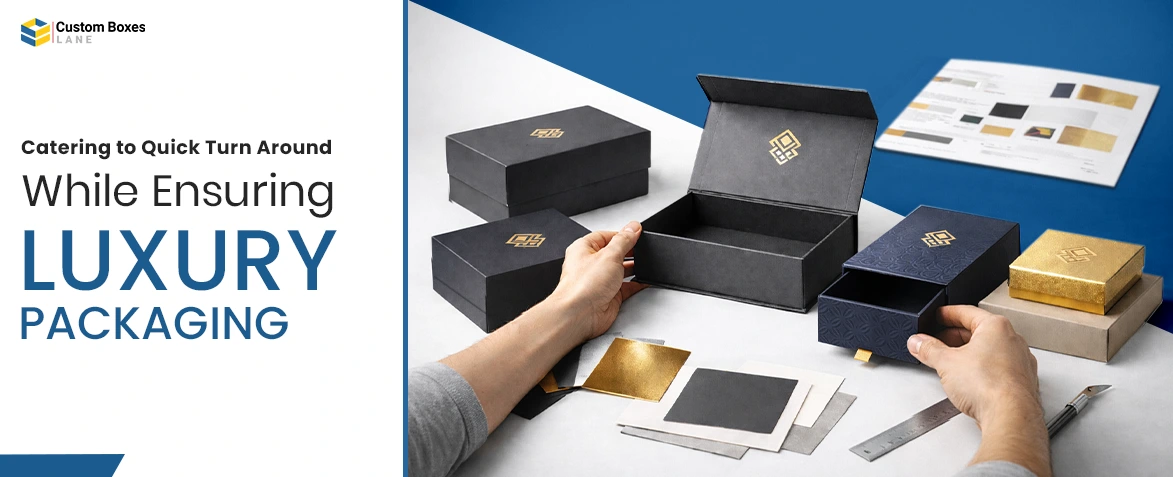
Meet Jeny, a titan of luxury known for a brand where every detail whispers authenticity, and every service upholds an im...
Read case study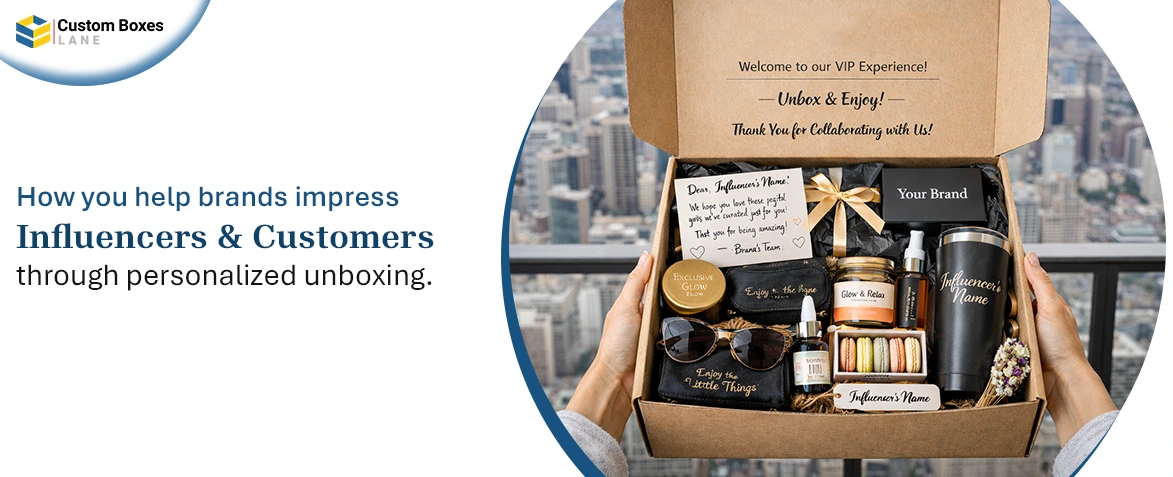
Branding and engagement have been presented to the Oliver brand as another scenario where the phrase “if you have potent...
Read case study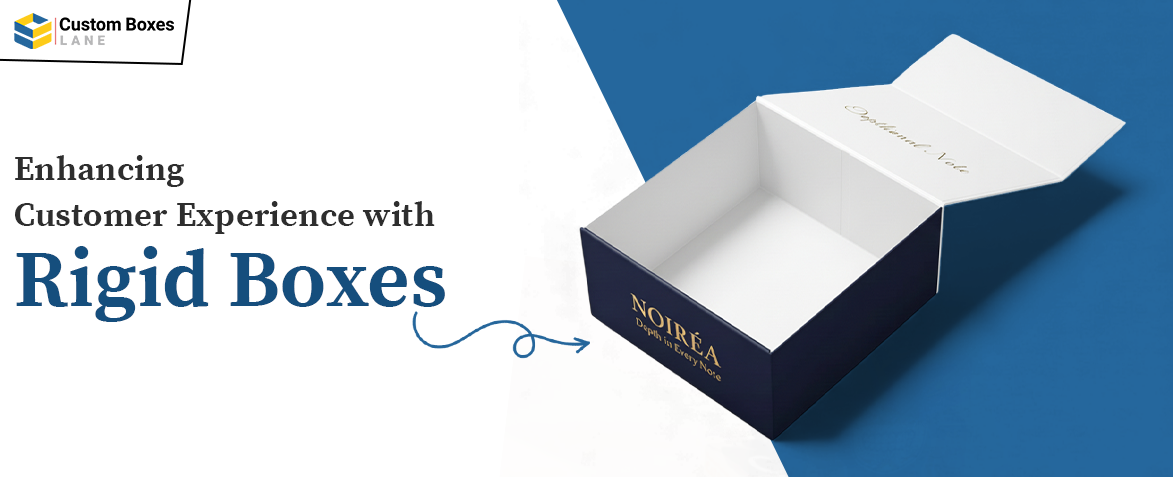
Enhancing Customer Experience with Rigid Boxes Creating attractive packaging without compromising on the functionality a...
Read case study
Every business dreams of boosting its brand’s visibility and retaining customers for the rest of their lives. And Custom...
Read case studyThey instantly elevate perceived value, offer superior protection for fragile items, and create a memorable, elegant unboxing experience without requiring extra wrapping.
Of course! You can choose from different add-ons to adorn your rigid boxes, including custom inserts. These inserts can be made from different materials of your choice, whether you want EVA foam, silk fabric, velvet, or cardboard inserts.
The best tool for designing rigid boxes depends on your skill level and goal: Adobe Illustrator is the gold standard for professional print graphics and dielines.
Custom collapsible rigid boxes save storage space, lower shipping costs, and provide a high-end look. They fold flat when empty and snap open into sturdy luxury packaging.
Yes, Custom Boxes Lane offers custom rigid boxes at wholesale rates. They provide fully personalized sizes, styles, and printing options with an MOQ (starting around 100 boxes).
Our standard production time for custom rigid boxes is 10 to 12 business days. We also provide a free 3D mockup before production begins so you can review and approve your design with complete confidence.
The style preferences of the rigid boxes can vary as per the presentational and packaging demands. For instance, the top options include the two-piece, magnetic closure, or the foldable rigid styles.
Yes. The initial cost of the rigid packaging may seem higher compared to the other options. But the distinctiveness and aesthetics it features are worth considering them as it leads to better customer retention and increases sales.
Custom collapsible rigid boxes save storage space, lower shipping costs, and provide a high-end look. They fold flat when empty and snap open into sturdy luxury packaging.
Usually, the rigid packaging boxes are shipped in the assembled state. The collapsible options are moved in a collapsed state, and once the box is demanded for packing, it’s assembled instantly.
Our standard production time for custom rigid boxes is 10 to 12 business days. For rush orders, we aim to complete delivery as fast as we can.